

Council Textile Recycling: A Step-by-Step Guide to Asking Yours to Act
Australia has a textile waste problem — and council textile recycling is one of the most powerful levers we have to fix it. Every year, hundreds of thousands of tonnes of clothing and fabric end up in landfill, not because people don’t care, and not because the solution doesn’t exist. The infrastructure is here. The technology is here. What’s missing is councils choosing to use it. Fortunately, you have the power to change that. This guide shows you exactly how to ask your local council for textile recycling, including a ready-made email template you can send today.
Why Council Textile Recycling Matters
UPPAREL already makes textile recycling accessible through home pickups and Australia Post drop-offs — but council-led recycling days can take that impact even further, making it simple for whole communities to recycle together.
However, op shops and clothing charities face an impossible choice when it comes to end-of-life textiles that cannot be resold. They must either bear the cost of disposing of them responsibly, or accept payment to have those textiles sent to offshore markets where visibility over their final destination is lost entirely. Neither option reflects the values of organisations that exist to do good.
Ultimately, a council-led textile recycling solution changes that equation entirely.
Why UPPAREL Is Different
Not all textile recycling is created equal. Many programs collect garments and ship them to overseas markets, where the end destination is unknown and environmental standards are inconsistent.
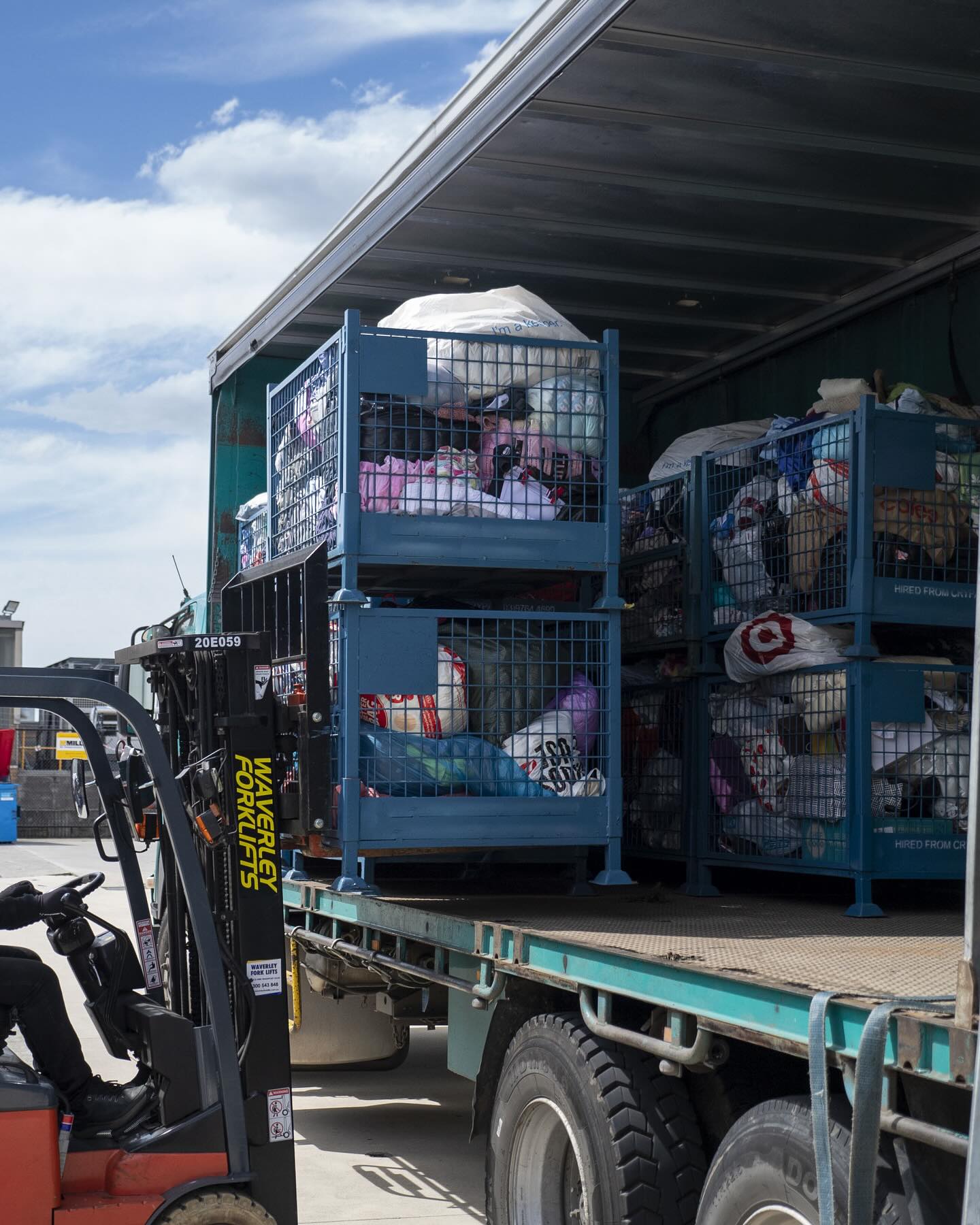
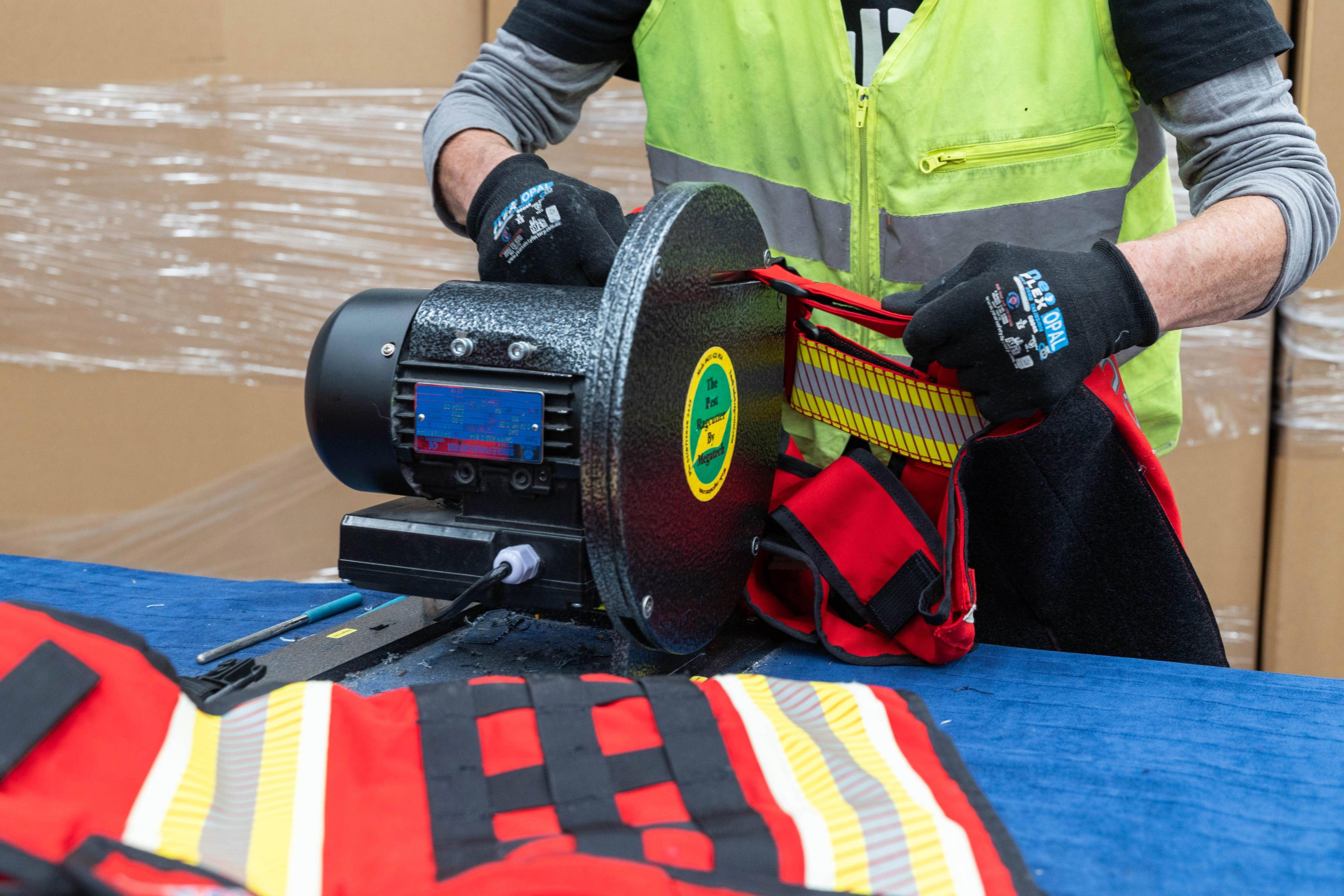
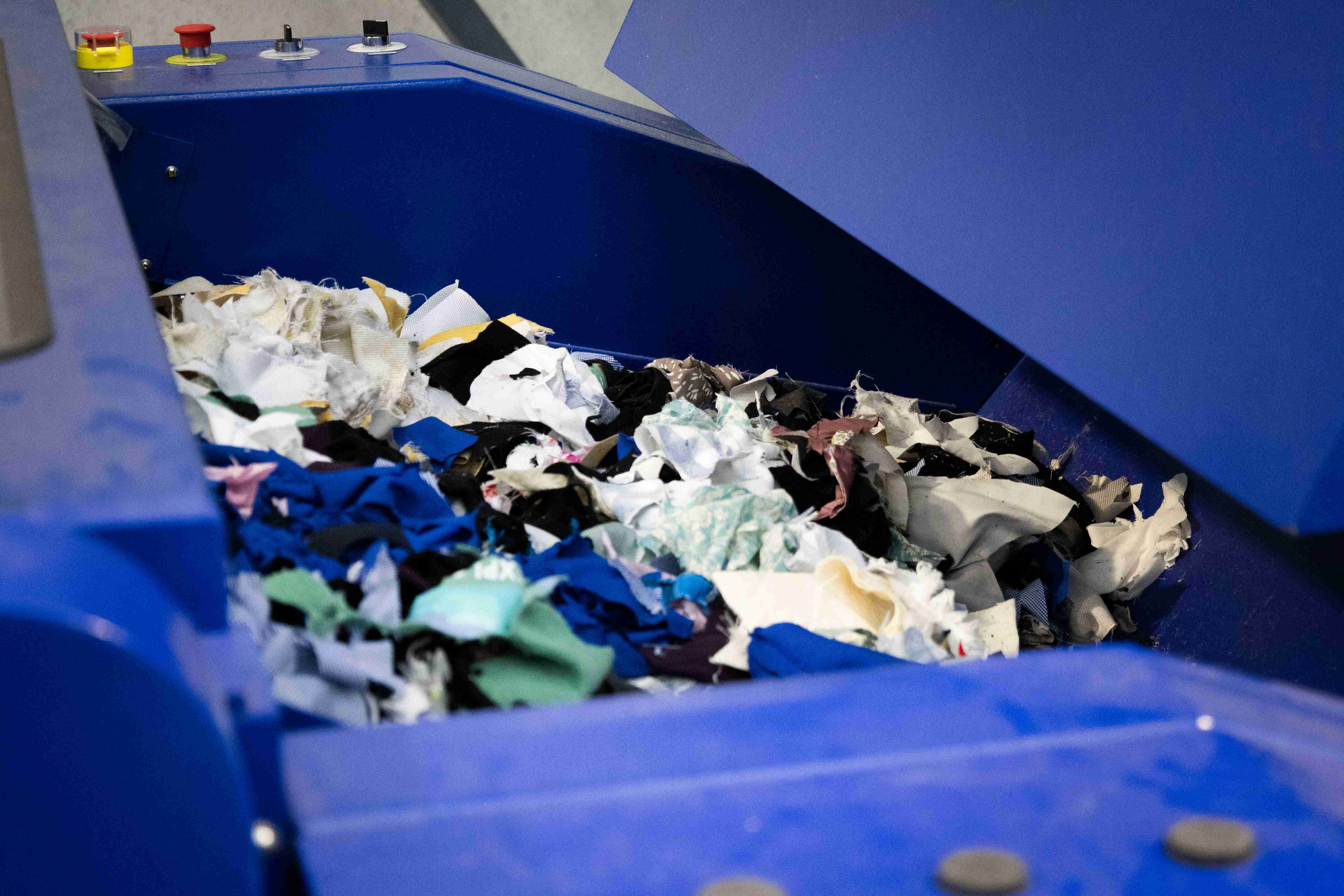
By contrast, UPPAREL operates entirely onshore in Australia. We process every kilogram of textiles collected right here, preventing Australian textiles from ending up in offshore markets and ensuring full visibility over where they end up. As a result, this approach directly supports the growth of Australia’s circular economy, creating local jobs in the recycling and reprocessing sector and advancing the technology needed to build a genuinely sustainable textile industry for the future.
For example, one of UPPAREL’s council partners has already diverted over 25,495 kg of textiles from landfill and avoided 89,231 kg of CO2e emissions through their scheduled resident recycling days — proof that when councils take action, communities show up.
What a Council Partnership with UPPAREL Looks Like
Through a council partnership, UPPAREL can deliver:
- Community drop-off events and resident recycling days, giving locals a convenient, responsible way to dispose of clothing and textiles
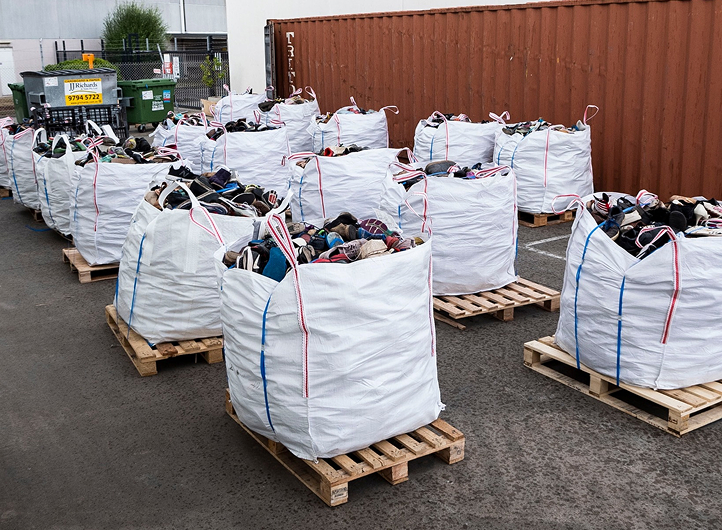
- Permanent collection bins at transfer stations and key community sites, with all scheduled collections and logistics fully managed by UPPAREL’s own logistics team — zero operational burden on council staff
- Real, measurable impact data for residents and council sustainability reporting
How to Contact Your Local Council
Fortunately, finding the right person to contact is easier than it sounds. You want to reach the waste management or sustainability team at your local council. In most cases, council websites have a dedicated contact page for these departments.
Find your council using the directory for your state or territory below:
- Victoria: Vic Councils — Find Your Council
- New South Wales: NSW Office of Local Government — Local Government Directory
- Queensland: Queensland Local Government Directory
- South Australia: Local Councils SA — Find Your Council
- Western Australia: WALGA — Your Local Government
- Tasmania: LGAT — Find Your Local Council
- Northern Territory: NT Government — Find Your Council
- ACT: Access Canberra — Contact the ACT Government
Once you have found your council’s contact details, send them the email below.
Your Ready-Made Email Template
You don’t need to write anything from scratch. Just copy the template below, fill in the bracketed fields, and send it to your council’s waste or sustainability team.
The more residents who ask, the harder it is for councils to ignore.
Subject: Request for textile recycling solutions in [SUBURB/AREA NAME]
Dear [COUNCIL NAME] Waste & Sustainability Team,
I am a resident of [SUBURB] and I am writing to ask [COUNCIL NAME] to consider introducing a textile recycling solution for our community, either through a dedicated resident recycling day or a permanent textile collection point at our local transfer station.
Textile waste is one of the fastest-growing waste streams in Australia, yet most households have no convenient, responsible way to dispose of worn or end-of-life items. As a result, tonnes of textiles end up in landfill every year that councils could otherwise recycle or repurpose.
I would love to see our council take action by partnering with UPPAREL, an Australian textile recycler that operates entirely onshore. Unlike many recycling programs that ship collected materials overseas, UPPAREL processes everything within Australia. This means our community’s textiles are handled responsibly here at home, supporting the growth of Australia’s circular economy, creating local jobs in the recycling and reprocessing space, and advancing the technology needed to build a genuinely sustainable textile industry for the future.
What a council partnership with UPPAREL delivers
Through a council partnership, UPPAREL can deliver:
- Community drop-off events and resident recycling days
- Permanent collection bins at transfer stations and key community sites, with all scheduled collections and logistics fully managed by UPPAREL’s own logistics team
- Real, measurable impact data for residents and council reporting
In addition, a council-led solution would also take meaningful pressure off our local charity sector. Organisations like op shops and clothing charities currently face an impossible choice when it comes to end-of-life textiles that cannot be resold. They must either bear the cost of disposing of them responsibly, or accept payment to have those textiles sent to offshore markets where visibility over their final destination is lost entirely. Neither option reflects the values of organisations that exist to do good. A permanent, onshore recycling solution through council would give charities a genuine alternative.
Why this matters for [COUNCIL NAME]
UPPAREL’s council programs have already diverted over 25,495 tonnes of textiles from landfill and avoided 89,231 kg of CO2e emissions, proof that when councils act, communities show up.
I understand councils are managing competing priorities, but this is a low-barrier initiative with clear environmental, economic and community benefits. I would welcome the opportunity to see [COUNCIL NAME] take a lead on this.
For more information on what a partnership could look like, UPPAREL can be contacted directly at partnerships@upparel.com.au or via upparel.com.au.
Thank you for your time and consideration.
Kind regards, [YOUR NAME] [YOUR ADDRESS] [YOUR EMAIL]
Frequently Asked Questions
What happens to the textiles after collection?
Everything collected through UPPAREL is processed entirely onshore in Australia. UPPAREL sorts every item and recycles or repurposes the materials through our Australian operations. Furthermore, we never ship anything to overseas markets, so you always know your community’s textiles are being handled responsibly.
How long does it take for a council to respond?
Response times vary, but generally, most councils acknowledge resident enquiries within a few business days. Sustainability and waste teams are often more responsive than general enquiry lines, so it’s worth directing your email specifically to them rather than a general inbox.
What if my council already has a textile recycling program?
That’s great news — but it’s worth asking whether those textiles are processed onshore or exported overseas. If your council’s current program ships materials to offshore markets, there’s still a strong case for exploring an UPPAREL partnership as a more transparent, locally accountable alternative.
Can I send the email on behalf of a community group or organisation?
Absolutely, and it can carry even more weight if you do. For instance, if you represent a school, community group, sporting club, or local business, adapting the template to reflect that context shows councils that the request has broad community backing.
Every Message Counts
Ultimately, change at a council level doesn’t require a campaign or a petition. In fact, a single well-written email from a resident can be enough to get a conversation started. And the more people who send one, the stronger the case becomes.
If you would like to learn more about UPPAREL’s council partnership program, visit upparel.com.au or reach out directly at partnerships@upparel.com.au.
Spread the Word
The more voices behind a request, the harder it is for councils to ignore. If you’ve sent your email, consider sharing this page with your neighbours and local community too.
- Post it in your local Facebook community group or suburb page
- Share it with friends and family who care about reducing waste
- Post it to your Instagram or Facebook stories with a nudge to do the same
- Tag @upparel so we can cheer you on
The bigger the chorus, the faster councils listen.
Search
Latest Posts


Ready to  Recycle?
Join thousands of Australians making a difference, one textile at a time.