

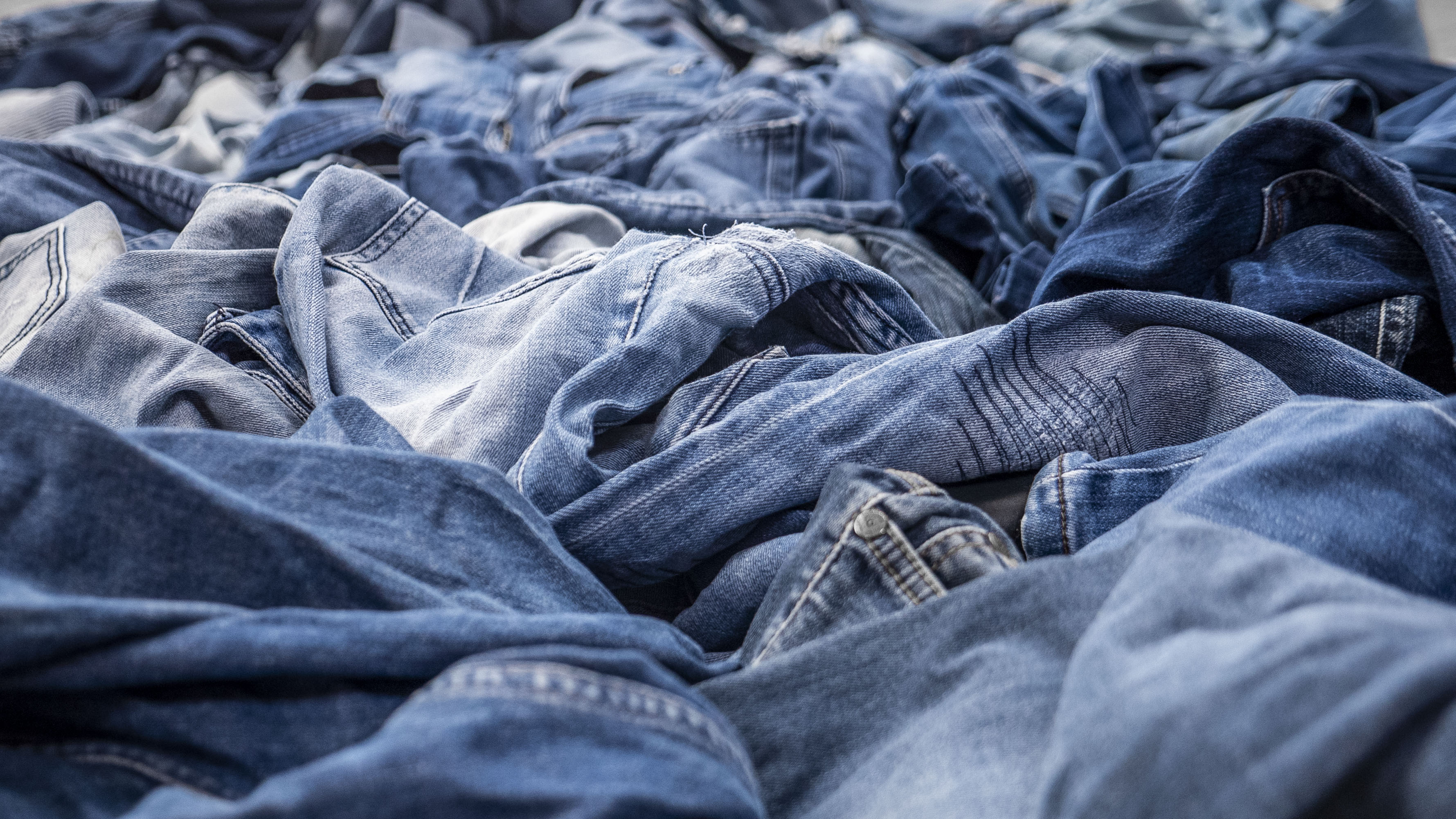
Why Donating Your Old Clothes Is Costing Charities Millions
We’ve all been told that donating old clothes to the op shop is the responsible thing to do. For a lot of what goes in the donation bin, though, it’s quietly the opposite. The instinct feels generous: we bag up everything we no longer want, the worn-out along with the good, and hand it all to Salvos or Vinnies. But donating everything isn’t automatically the responsible choice. In fact, charities never sell a huge share of what we donate, so it ends up costing the very organisations we’re trying to help.
So here’s the bottom line up front. The responsible move isn’t to donate it all. Instead, donate the quality pieces you’d genuinely give a friend, and recycle everything worn-out onshore with a recycler like UPPAREL. Recycling onshore keeps your textiles in circulation as a local resource and lifts the disposal burden off charities. It also keeps the materials and value here, developing Australia’s own circular economy.
Quick answer: Donating every unwanted item to an op shop is not the most responsible choice. Op shops only ever sell a portion in-store. They recycle the rest, ship it offshore, or send it to landfill at their own expense. In fact, around 14% of donations go straight to landfill, and roughly a third end up overseas, according to St Vincent de Paul Society data. So the smartest approach is simple: donate quality items you’d give a friend, then recycle everything worn-out with an onshore recycler like UPPAREL.
Why donating old clothes isn’t always the responsible choice
Australia’s op shops are a genuine force for good. Industry estimates put their contribution to social welfare programs at close to $1 billion a year. The clothes and goods we donate fund every cent of it. So donating feels like a clear win, and for quality items, it certainly is.
The problem is that we’ve turned the donation bin into a default. We now buy more textiles per person than almost any country on Earth: around 55 new garments each per year, according to The Australia Institute’s 2024 research. Much of it is cheap fast fashion that wears out fast. So when we clear the wardrobe, the worn, stained and broken go in the same bag as the good. We assume the charity will sort it out, and that donating is always the right thing. But it isn’t. Vinnies reports that fast-fashion brands now make up roughly 30% of all donations, often still tagged. It also reports that about 14% of clothing donations end up in landfill, simply because fast fashion doesn’t last. Whatever a charity can’t sell doesn’t disappear. Instead, it becomes their problem to deal with.
The impossible choice we leave op shops with
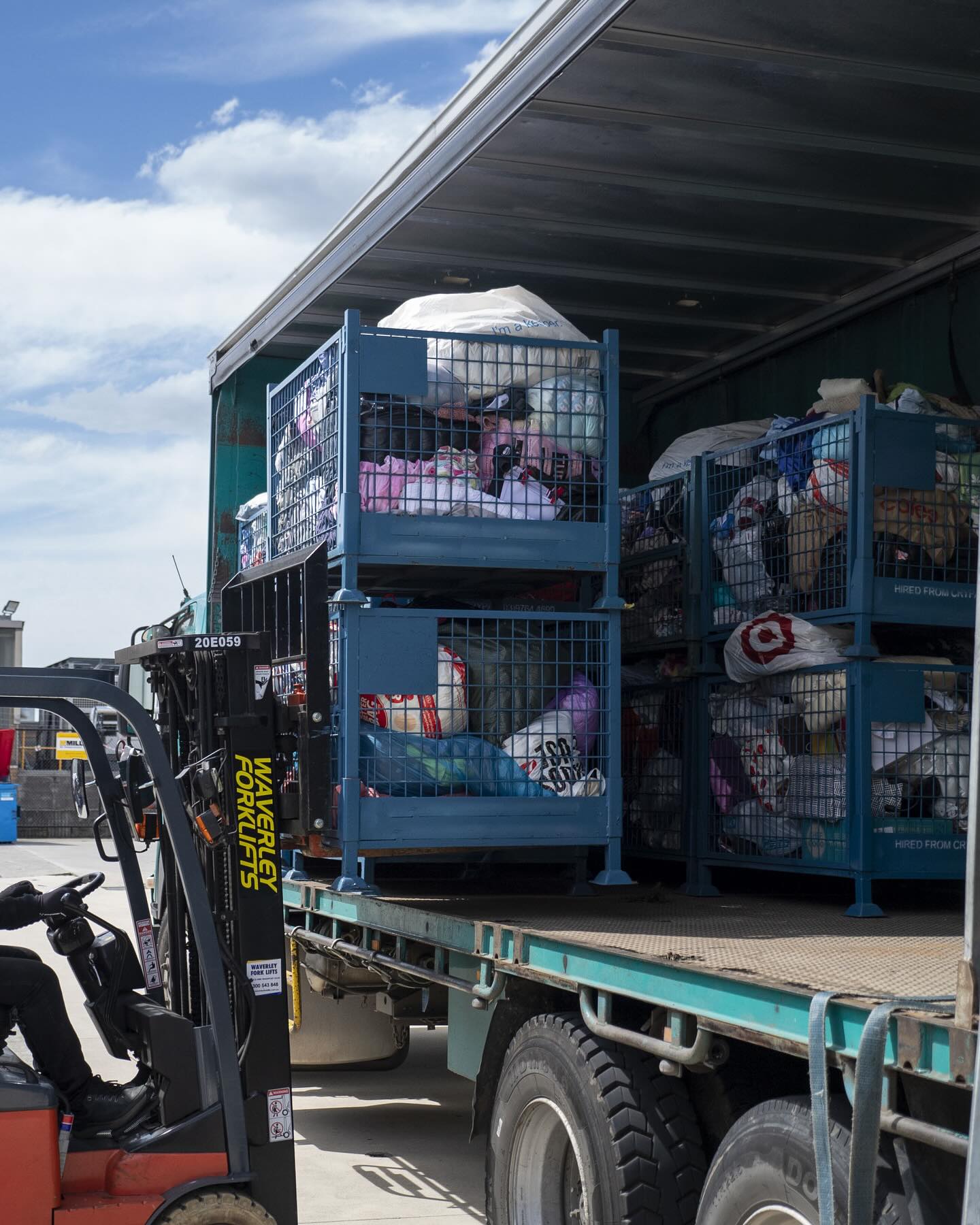
When a charity ends up holding tonnes of clothing it can’t sell, our good intentions become its burden. It then faces an impossible choice. It can pay to send those textiles to landfill, or it can accept payment to ship them offshore, losing all visibility over where they finally end up. And neither option reflects the values of organisations that exist to do good.
Option 1: sell it offshore
Vinnies exports around a third of the donations it handles, to countries including the UAE, Malaysia, Papua New Guinea, Fiji, Ghana and Pakistan. Some of it sells again in second-hand markets. A great deal, however, ends up in landfill or burns in the open. It’s the same dynamic that has turned Chile’s Atacama Desert into a graveyard for the world’s discarded clothes. So this approach doesn’t solve the waste crisis. It simply exports it. Worse, transparency vanishes the moment a bale leaves the country, and the materials, value and jobs all leave with it. Every tonne we export is also a tonne that never feeds local reprocessing, which slows the development of Australia’s own circular economy.
Option 2: pay to dump it
The alternative carries a bill. Australian charities spend an estimated $13 million a year disposing of unusable donations, around 60,000 tonnes of waste, according to Planet Ark’s Recycling Near You. In late 2025, for example, one Vinnies region revealed that its overflow-sorting warehouse alone costs about $3.4 million a year to run. Its commercial director said he would far rather put that money into frontline services. After all, every dollar a charity spends on disposal is a dollar it can’t put toward crisis support, food relief or housing.
This is the part most of us never see. The bag we drop off, believing we’ve done a good deed, can quietly do the opposite. In effect, it drains the very funds the donation should create.
Donating is not the same as disposing
Let’s be clear about something. Op shops are a brilliant part of Australian life. They recirculate millions of quality items, keep huge volumes out of landfill, and fund essential services. So this isn’t a story that vilifies op shops, or donating. It’s a story about what we donate, and why we think it’s helping.
The mistake is treating the op shop as a guilt-free way to dispose of anything we no longer want. Donating old clothes you would never give a friend isn’t generosity. Instead, it hands the charity a hidden cost. After all, the op shop isn’t a disposal service. It’s a place to give good clothes a second life, not a place to offload clothes that have reached the end of theirs. Every bag of unsellable clothing also adds sorting labour and disposal cost, eating into money that should reach people in need.
The most reliable rule of thumb is the one charities use themselves: if you wouldn’t pass it on to a friend, it probably shouldn’t go in the donation bin.
The best option: recycle textiles into a circular resource, onshore
So what about the worn-through jeans, the stained shirts, the stretched activewear that simply won’t sell? Donating them just shifts the cost to a charity, while the rubbish bin sends them straight to landfill. The genuinely responsible option is to recycle them into a circular resource, right here in Australia.
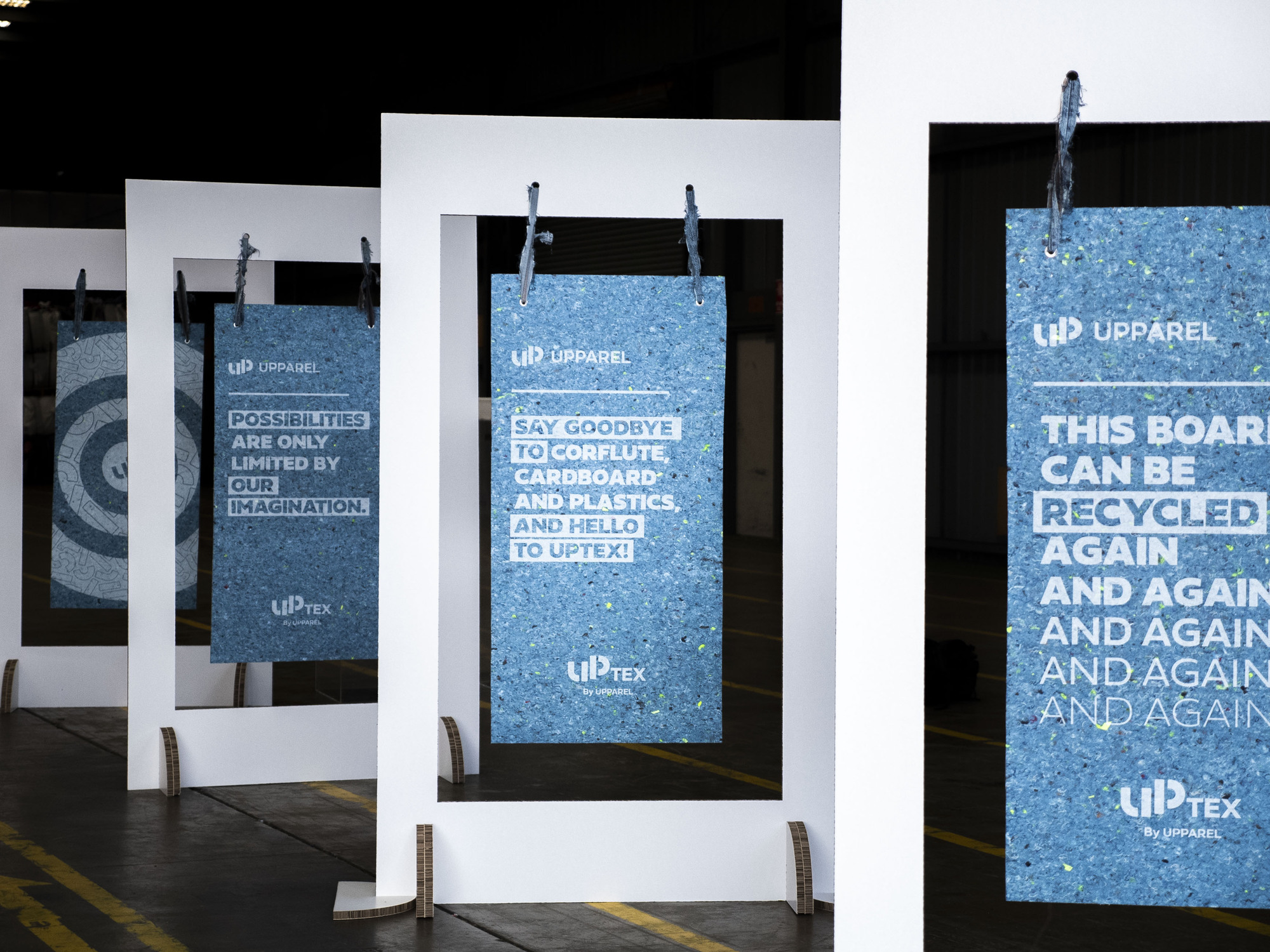
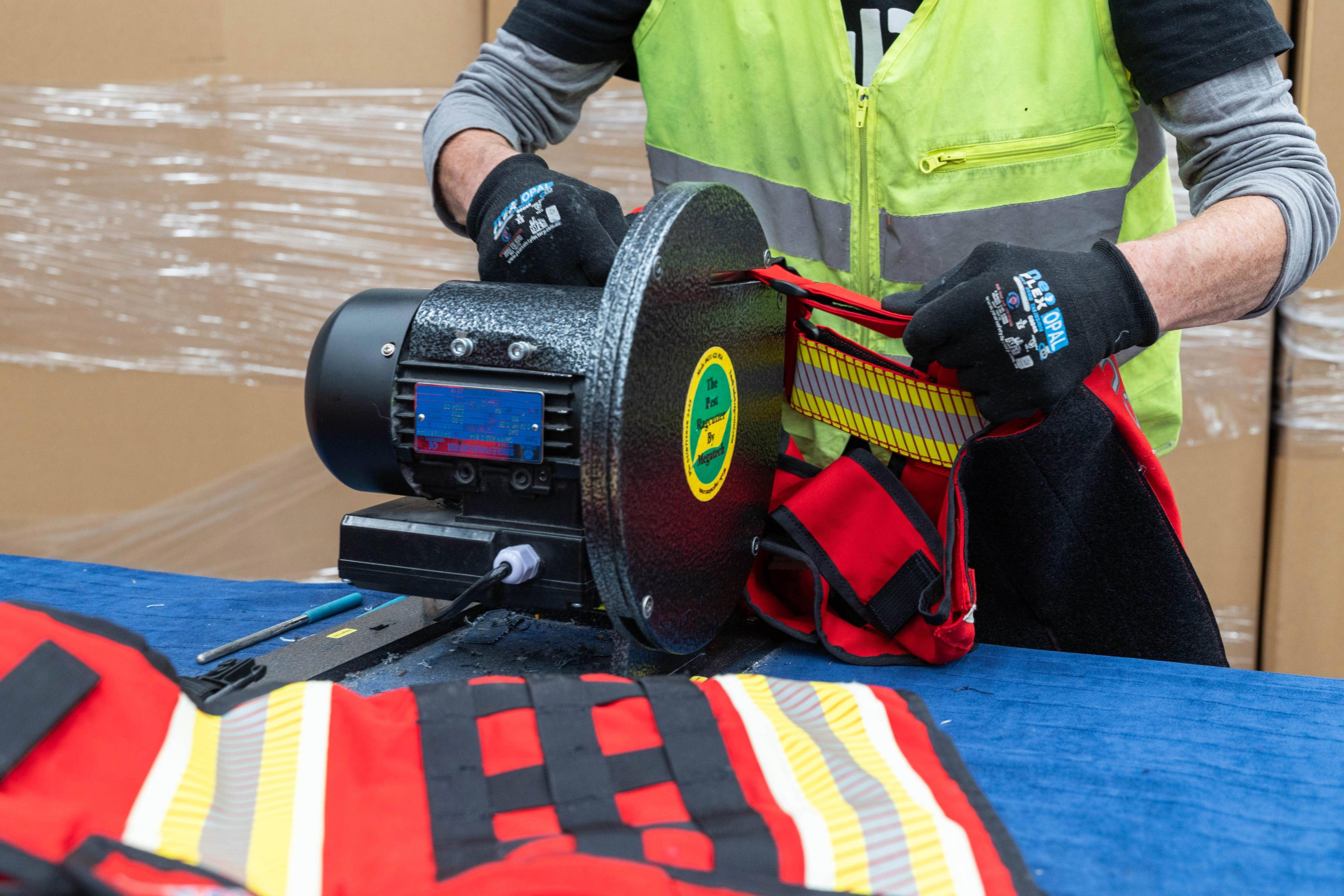
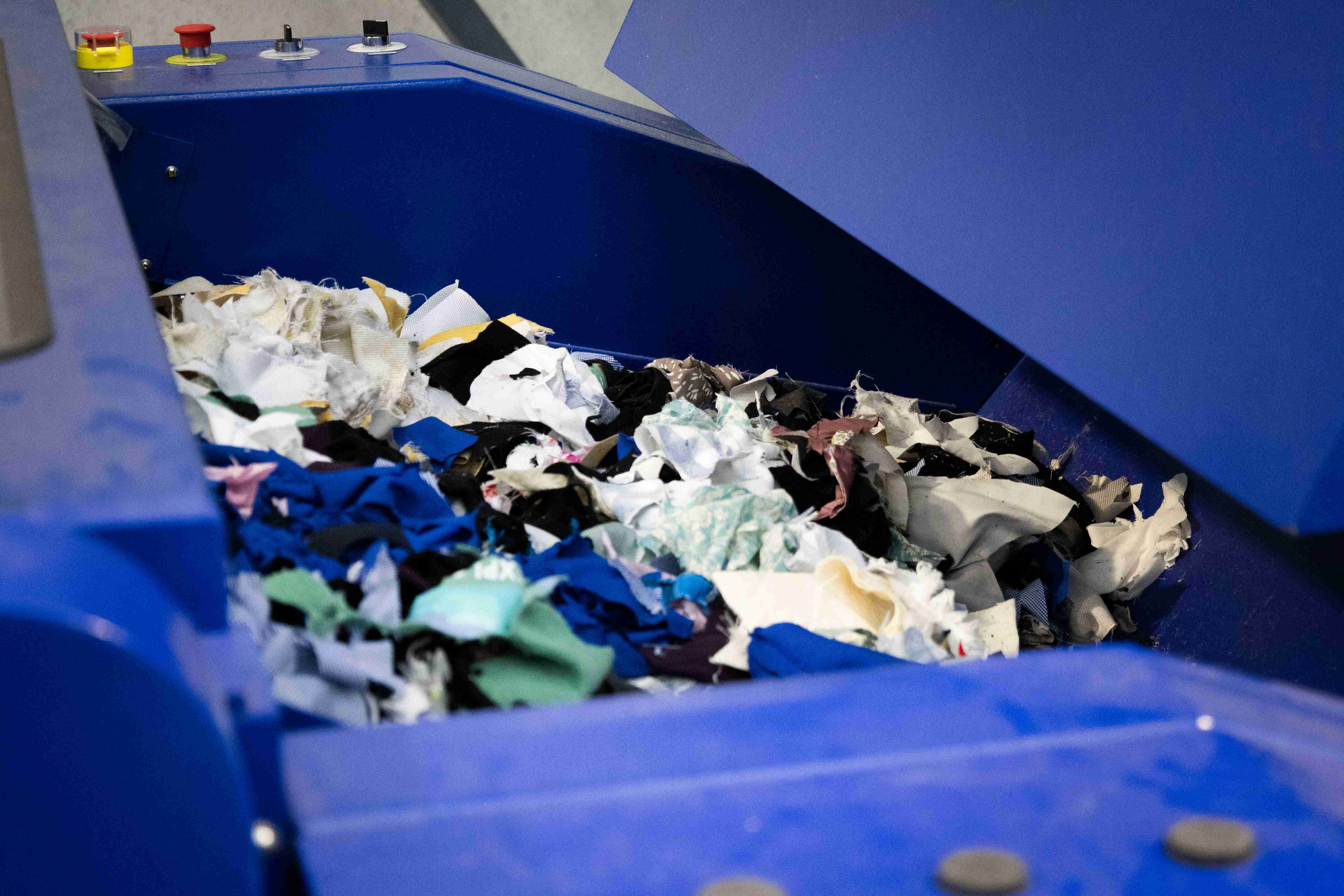
That’s exactly what UPPAREL does. We process every kilogram of textile we collect entirely within Australia. Anything still wearable goes to Australian grassroots charities, and we guarantee it stays onshore. Everything beyond wearing, we break down and remanufacture into UPtex. This recycled material then goes into construction and manufacturing applications like acoustic panels, furniture fill and flooring underlay. Nothing we receive reaches landfill, and we can trace the entire process from start to finish.
Your old clothes, tomorrow’s Australian-made buildings
The science here is settled, and it’s striking. According to research by WRAP, extending the active life of clothing by just nine months cuts its carbon, water and waste footprints by around 20 to 30% each. In fact, WRAP names keeping textiles in use as the single biggest lever for reducing their environmental impact. Put simply, the longer a fibre stays in circulation, the lower its lifetime carbon. Burying it in landfill does the opposite. It ends the fibre’s useful life early and releases methane as it rots.
Recycling onshore is an investment in Australia
Where you recycle your textiles isn’t only an environmental question. It’s an economic one too. When we ship unwanted textiles offshore, the raw material, the manufacturing opportunity and the jobs all go with them. When we recycle them onshore, by contrast, all of it stays and goes to work for us. It supports local jobs in collection, sorting, reprocessing and manufacturing. It also builds the infrastructure Australia needs to handle its own textile waste, instead of paying other countries to bury or burn it.
Choosing an onshore recycler is a direct vote for that future. When you recycle with UPPAREL rather than sending your textiles overseas, you keep value in the local economy and create local jobs. You also help advance Australia’s circular economy. Ultimately, it’s the difference between exporting a problem and building an industry.
A triple dividend
Recycling end-of-life textiles onshore pays off three ways at once:
- Better for the planet. Every kilogram you keep out of landfill prevents an estimated 3.5 kilograms of greenhouse gas emissions, and avoids the methane that textiles release as they rot.
- Better for the economy. Materials, value and jobs stay in Australia, which builds local recycling capacity and a genuinely circular economy.
- Better for social justice. Each item you recycle is one a charity doesn’t pay to dump, so more of its revenue reaches the people it supports.

Donate smarter, recycle the rest
So the next time you clear out your wardrobe, resist the urge to donate the lot. It feels responsible, but it isn’t. The genuinely responsible way of donating old clothes comes down to one simple shift: sort before you give. Pass your quality, sellable pieces to your local op shop, where they do the most good. And recycle everything genuinely worn-out onshore, rather than letting it become someone else’s expense.
You have more power here than you might think. It’s a small change in habit, yet it has a real impact: for the charities who deserve our support, for the local economy, and for the planet. Generosity is wonderful. Generosity with a little thought behind it is even better. The clothes you no longer want can still do good. They just need to go to the right place.
Ready to turn your worn-out textiles into a circular resource instead of landfill? Start recycling with UPPAREL and keep your textiles in circulation, onshore, supporting Australian jobs and out of landfill.
Frequently asked questions
Is it bad to donate clothes to op shops? No. Donating quality, wearable clothing is genuinely valuable, and it helps fund vital charity programs. The mistake is donating old clothes that are worn out or unsellable, on the assumption that donating is always the responsible choice. Those items won’t sell, so charities have to pay to dispose of them. Instead, donate what you’d happily give a friend, and recycle the rest onshore.
What happens to clothes that can’t be sold at op shops? Charities either recycle unsellable clothing, sell it in bulk to overseas exporters, or send it to landfill at their own cost. St Vincent de Paul Society data indicates that around 14% of clothing donations go to landfill, while roughly a third head offshore. Much of that exported clothing is then dumped or burned.
How much does it cost charities to dispose of unwanted donations? Australian charities spend an estimated $13 million a year disposing of unusable donations, according to Planet Ark’s Recycling Near You. As a result, every dollar a charity spends on disposal is a dollar it can’t put toward frontline services for people in need.
Where can I recycle old clothes that are too worn to donate in Australia? Onshore recyclers like UPPAREL accept worn-out clothing and textiles. They sort everything by hand and redirect anything wearable to Australian grassroots charities. They then recycle the rest here in Australia into a circular resource. That resource goes into construction and manufacturing applications such as acoustic panels, furniture fill and flooring underlay. As a result, none of it reaches landfill or an offshore market.
UPPAREL is Australia’s leading textile recycler, transforming end-of-life clothing and textiles into a circular resource used in acoustic panels, furniture fill, flooring underlay and other construction and manufacturing applications, entirely onshore, with full chain of custody. Every kilogram we process keeps value and jobs in Australia and helps build a genuinely circular textile economy. Join thousands of Australians making a difference, one textile at a time.
Search
Latest Posts

Ready to  Recycle?
Join thousands of Australians making a difference, one textile at a time.