

Onshore Textile Recycling: Why It’s the Only Truly Transparent Option in Australia
Onshore textile recycling exposes a brutal irony at the heart of Australia’s circularity conversation. While brands, governments, and organisations pledge their commitment to a closed loop, at least 39,000 tonnes of clothing land in Chile’s Atacama Desert every single year, dumped illegally. The driest place on Earth. A landscape so otherworldly that NASA tests Mars rovers there. Now also one of the world’s fastest-growing graveyards for discarded clothes.
This problem is not abstract or distant. It is the direct consequence of decisions that industries make right now, decisions about where textile waste goes and what happens to it once it leaves sight. For those of us working in domestic textile recycling, one uncomfortable question keeps surfacing: when we ship our problem offshore, do we actually solve it?
The Global Textile Waste Crisis Demands an Australian Answer
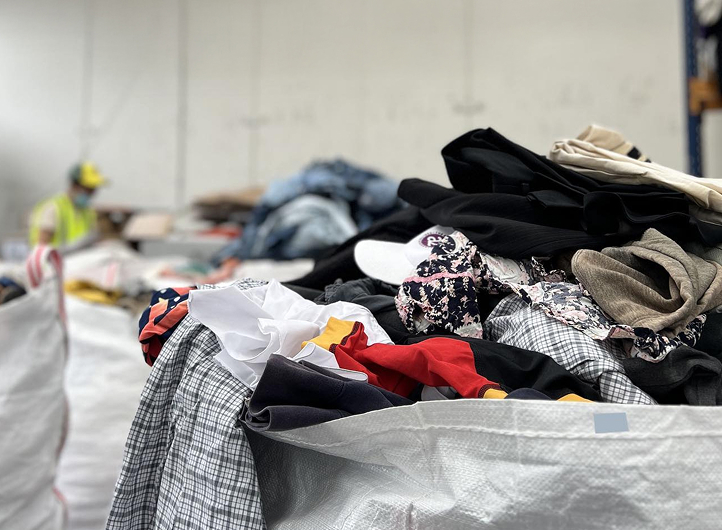
Australia discards roughly 227,000 tonnes of clothing every year, and the overwhelming majority goes straight to landfill. Globally, we generate an estimated 92 million tonnes of textile waste annually, and that figure will reach 134 million tonnes by 2030 if consumption patterns hold.
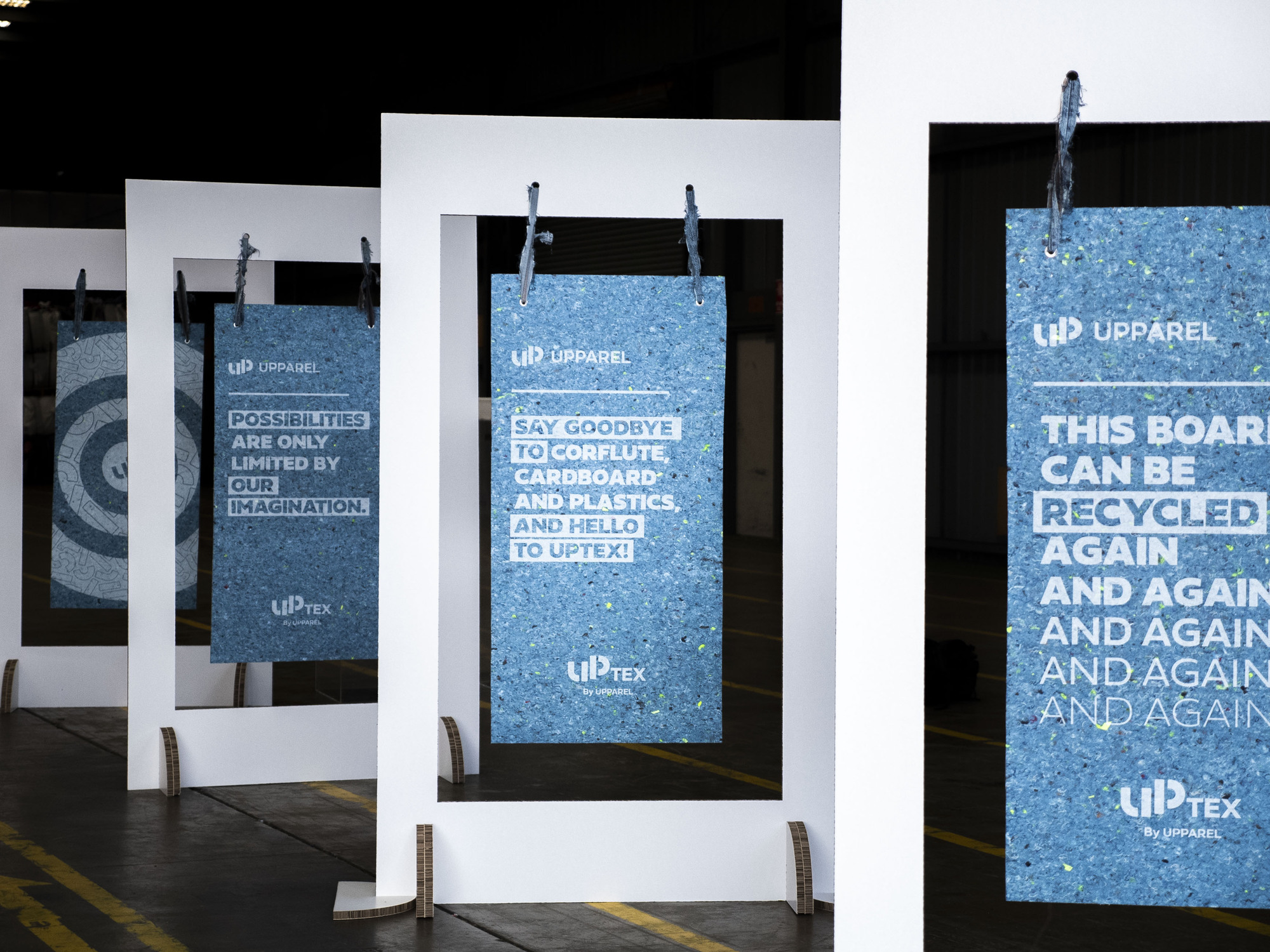
The good news? Real solutions already exist. Converting end-of-life textiles into acoustic panels, insulation, signage, and construction materials is no longer an emerging idea. It is a proven, scalable model. The innovation is real. The demand is growing. Australian textile recycling sits at an inflection point.
But not all approaches solve the problem equally. Where processing happens matters far more than most people realise.
Suggested image: Infographic showing Australia’s 227,000 tonnes of annual textile waste Alt text: “Infographic showing Australia’s annual textile waste and the need for onshore textile recycling”
Innovation Is Happening Everywhere, Including Chile
To be clear, this is not a story that vilifies other countries or the organisations within them. Chile hosts genuinely innovative companies doing remarkable work in textile circularity. These businesses convert unwearable clothing into acoustic panels, insulation, signage, and construction materials that give fibre a second life. That work is real, it is commendable, and it reflects the same values that drive responsible recyclers here at home.
The problem is not the intention. It is the system surrounding it.
Chile lacks a coordinated institutional framework to manage textile waste and promote circular practices. Major structural barriers remain, including scarce infrastructure and unclear regulations. Even when the best operators do the right thing, the regulatory environment is still catching up. The government only recently began expanding its producer responsibility laws to include textiles. Oversight, verification, and enforcement all remain works in progress.
That gap matters enormously when Australian textiles cross the border.
Offshore Processing Creates a Transparency Problem
When exporters send textiles offshore for processing, even to a credible and well-meaning processor, the chain of custody fractures quickly. What proportion of material actually reaches the intended facility? What happens to volumes that fall outside the processing spec? Who independently verifies the outcome? How does an Australian brand or collection partner confirm that their material became acoustic panels, insulation, signage, or construction materials rather than another pile in the desert?
These concerns are not hypothetical. Over 90% of textiles in Chile arrive as imports, and an estimated 123,000 tonnes of second-hand clothing enter the country every year. Much of it ends up in illegal dumps in the Atacama. The system, despite the best efforts of individuals within it, buckles under enormous strain.
The honest reality: exporting textiles, even to a responsible processor, means operating within that broader system. Without the regulatory infrastructure to guarantee traceability end to end, good intentions can accidentally feed a problem we never meant to join. Waste colonialism, where wealthier countries ship waste to less affluent nations, compounds the global challenge. Long-distance freight also drives the carbon footprint higher.
Australia carries more developed infrastructure, more mature regulation, and greater institutional capacity than most export destinations. That gives us a responsibility to ask whether exporting the problem, even unintentionally, is the right answer.
Global Shipping Disruption Has Changed the Calculation
If the economics of offshore processing already looked fragile, the events of 2026 have made them significantly harder to ignore.
The Strait of Hormuz has remained largely blocked since late February 2026, and major shipping firms have suspended operations entirely. Businesses moving goods by sea now face sharply deteriorating costs, reliability, and predictability. For any recycling model built on cheap offshore processing, this is not a disruption to manage around. It is a fundamental break in the model. The economics that once made exporting textiles attractive simply do not exist right now, and no clear timeline predicts their return.
What has emerged in that gap is an opportunity that should have been compelling all along: keep it here, where the infrastructure, oversight, and accountability already live.
Why Onshore Textile Recycling in Australia Is the Answer
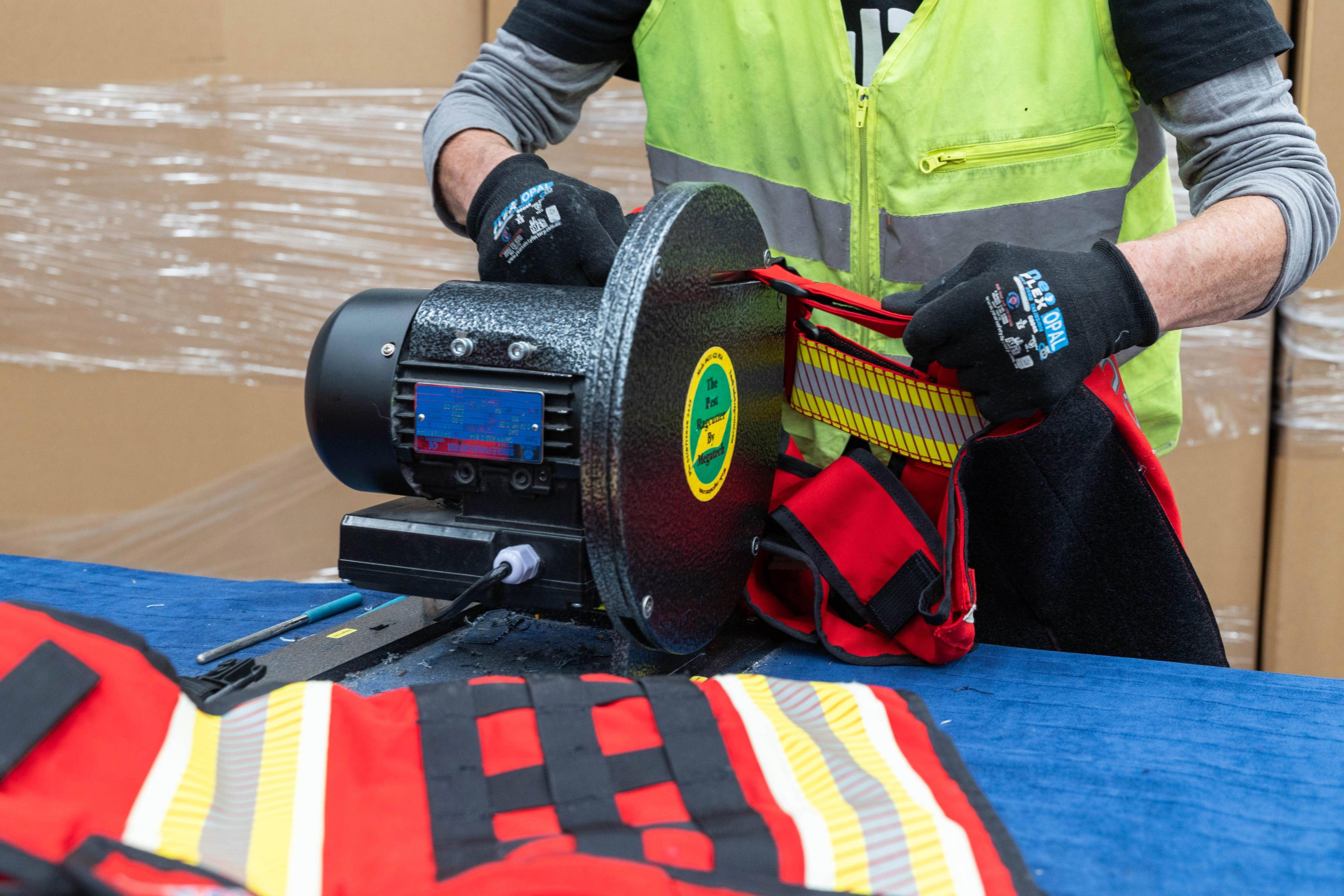
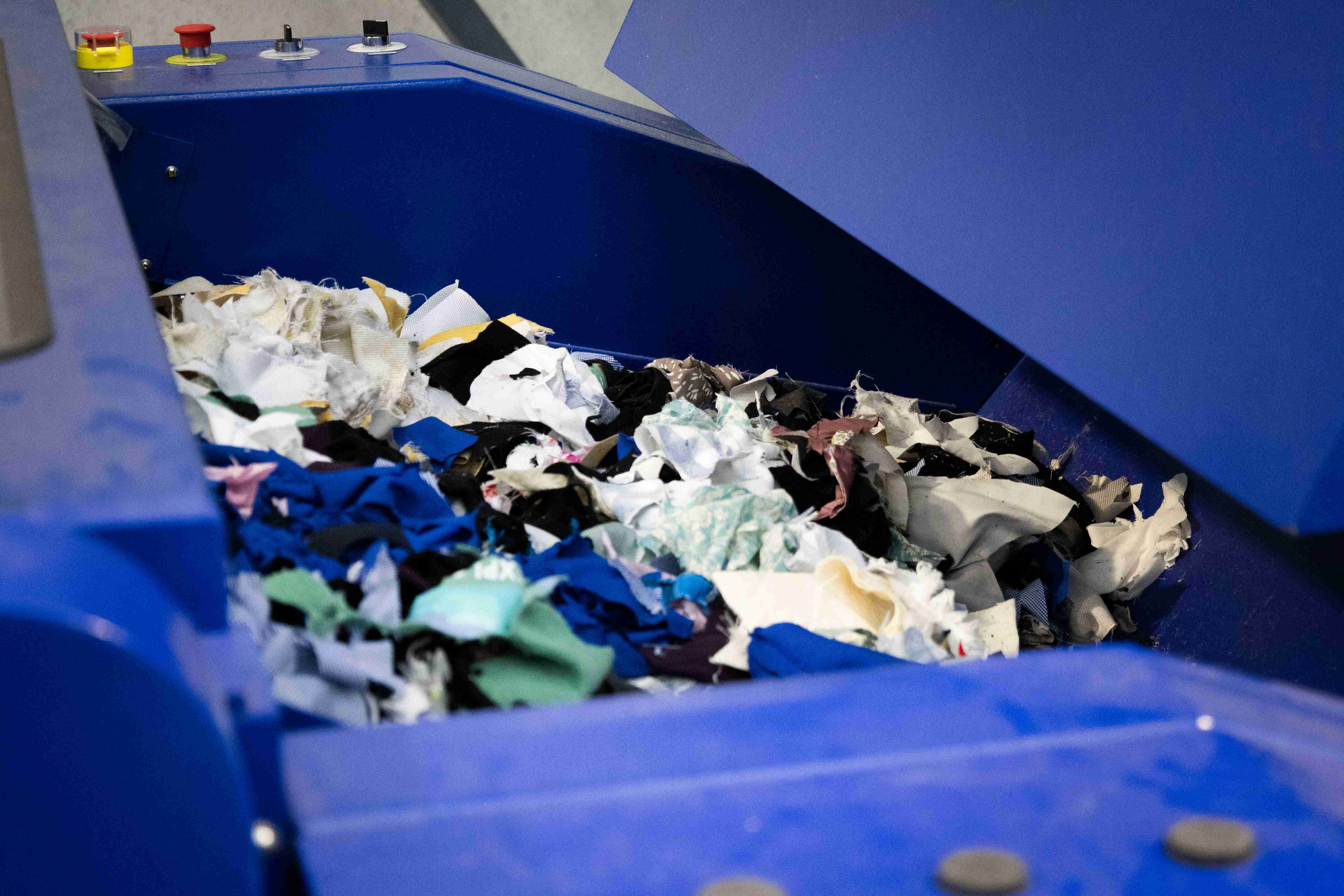
At UPPAREL, we process every kilogram of textile we collect entirely within Australia. We sort it here, transform it here, and return it to use here as acoustic panels, insulation, signage, and construction materials that meet Australian standards. We know exactly where material goes because we never relinquish responsibility for it.
That is not a point of difference we hold over anyone. It is simply what genuine circularity demands.
Partners, brands, and consumers increasingly demand transparency, and no operator can deliver it across borders where regulatory frameworks are still developing. Only a fully closed loop on home soil guarantees it. You can point to the facility, the process, the product, and say with certainty: this is where your textiles went, and this is what they became.
That is what responsible onshore textile recycling in Australia looks like. It is also the standard the entire industry should be chasing.
The Atacama Is Telling Us Something
“Converting Chile from a junkyard into a recycling hub would be the dream,” as one Chilean environment official put it. In the meantime, mountains of forgotten clothes continue to grow amid the red sands of the Atacama Desert.
We deeply respect the innovators in Chile and elsewhere who are working to change that. But Australia does not need to outsource its textile problem while that transformation takes place. We already have the technology, the regulatory environment, and the infrastructure to build a genuinely closed loop at home, right now.
The shipping disruptions of 2026 did not create this opportunity. They simply made it impossible to ignore.
Waste is not waste until we decide it is. Exporting it offshore and hoping the surrounding system holds is not circularity. It is optimism without accountability.
The transparent option, the genuinely circular option, is onshore textile recycling in Australia. It always was.
UPPAREL leads Australian textile recycling, transforming end-of-life clothing and textiles into acoustic panels, insulation, signage, and construction materials — entirely onshore, with full chain of custody. Learn more about our textile collection programs and how your organisation can close the loop.
Search
Latest Posts


Ready to  Recycle?
Join thousands of Australians making a difference, one textile at a time.