

How to Responsibly Dispose of Old Clothes and Textiles in Australia
Australians buy around 27 kilograms of new clothes every year, and we throw out around 23 of them. Most of it ends up in landfill, even though almost none of it has to. The jeans with the torn knee, the stained work shirts, the t-shirts that lost their shape years ago: they all have to go somewhere. And most of us were never told how to dispose of old clothes properly.
So here’s the bottom line up front. The responsible way to dispose of old clothes is to sort before you toss. Wear, repair or swap what you can, and pass anything still in great shape to a friend or your local op shop. Then recycle everything worn-out, stained or torn onshore with UPPAREL, instead of sending it to landfill. You can book a textile recycling collection online and we’ll take care of the rest.
Quick answer: Old clothes and textiles shouldn’t go in your general rubbish bin or your kerbside recycling bin. Quality pieces you’d happily give a friend can go to an op shop, but everything else should be recycled. UPPAREL accepts clothes, linen and shoes in any condition, as long as they’re clean. Buy a recycling box from $35, pack it, then book your collection or Australia Post drop-off.
Why so many old clothes end up in landfill
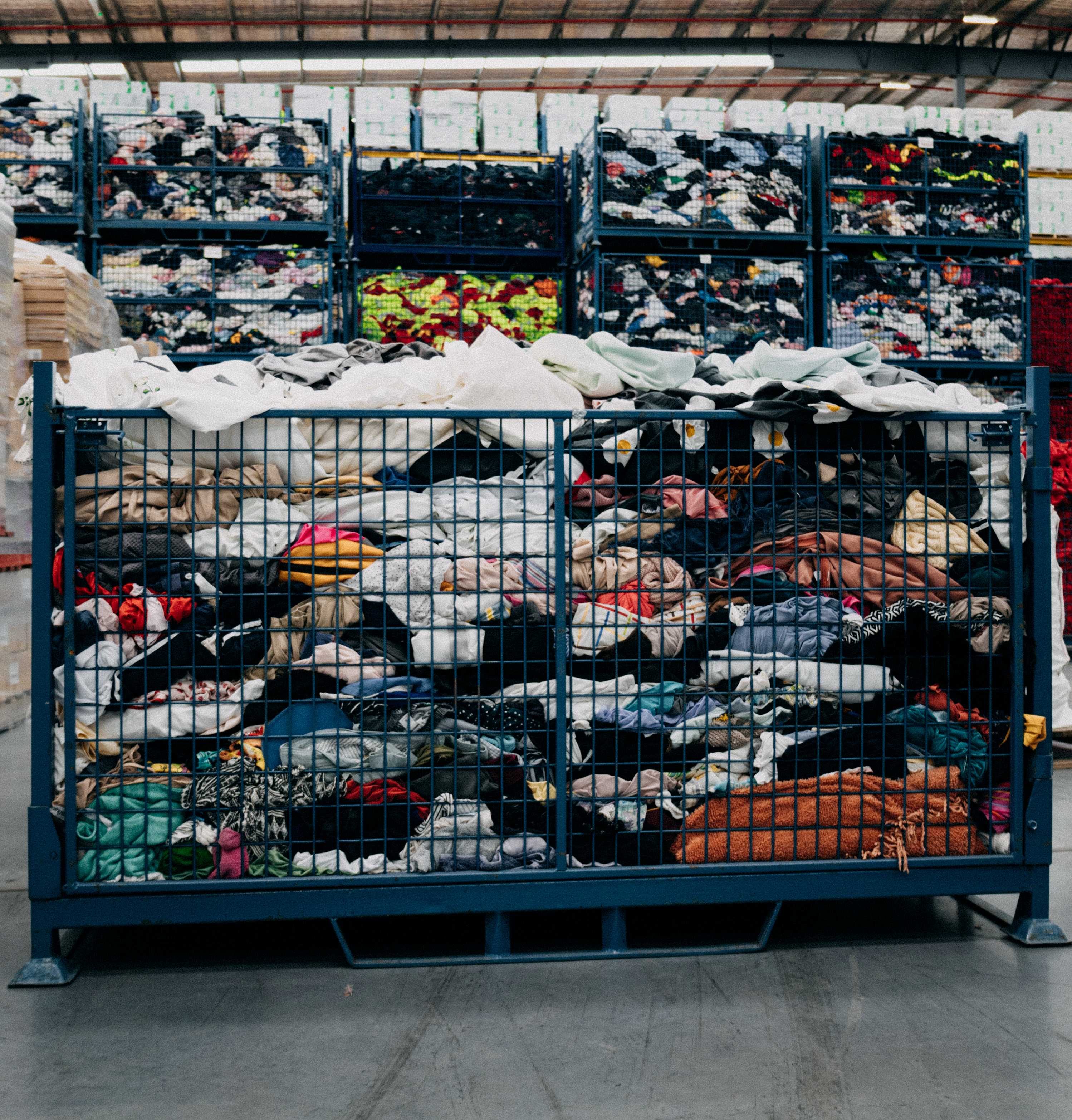
Australians buy more textiles per person than almost anyone on Earth: around 55 new garments each per year, according to The Australia Institute’s 2024 research. Much of it is cheap, fast-turnover clothing that wears out quickly. University of Queensland research estimates we throw out around 23 kilograms of textiles per person every year, and most of it goes straight to landfill.
Here’s the frustrating part. Around 95% of the clothing that ends up in landfill could have been reused or recycled. The problem isn’t that people don’t care. It’s that nobody ever explained what to do with the clothes that are too worn to pass on.
Why the bin isn’t the answer
When old clothes go into the general rubbish, they’re buried. Natural fibres release methane as they rot, and synthetic fabrics can take decades to break down. In fact, every kilogram of textiles kept out of landfill prevents an average of 3 to 4 kilograms of greenhouse gas emissions.
Your kerbside recycling bin isn’t the answer either. Household recycling systems aren’t set up to process clothing, and fabric can jam the sorting equipment. So textiles need their own pathway.
Why the op shop isn’t the answer for everything
Op shops are a brilliant part of Australian life, and quality clothing should absolutely go there. But they can only sell what people will buy. Whatever they can’t sell becomes their problem. They either pay to dump it or ship it offshore, and neither option reflects the values of the organisations we’re trying to help. According to St Vincent de Paul Society data, around 14% of clothing it receives goes to landfill, and roughly a third is exported.
The most reliable rule of thumb is the one charities use themselves: if you wouldn’t pass it on to a friend, it probably shouldn’t go in the op shop bag. We unpack this in more detail in Donating Old Clothes Is Costing Charities Millions.
How to dispose of old clothes responsibly: sort before you toss
The good news is that the responsible option is simple. It comes down to three steps.
1. Wear it, repair it or swap it
The most sustainable garment is the one that’s already in your wardrobe. Before you clear anything out, ask whether it can be worn again, mended or swapped with a friend. If the answer is yes, keep it in circulation.
2. Pass on what’s still in great shape
If it’s clean, in good condition and something you’d genuinely give a friend, your local op shop is the right home for it. That’s where quality clothing does the most good.
3. Recycle everything else
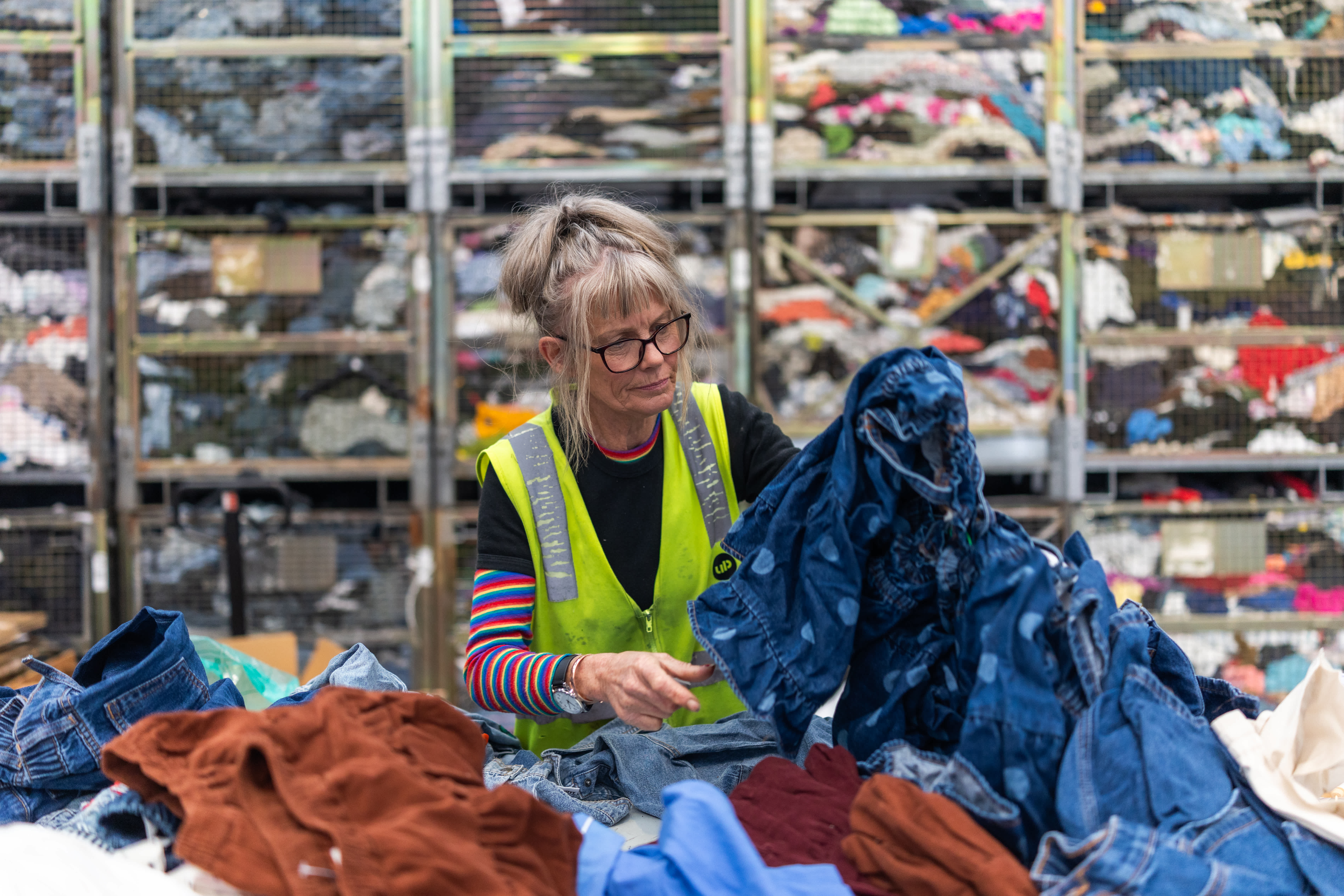
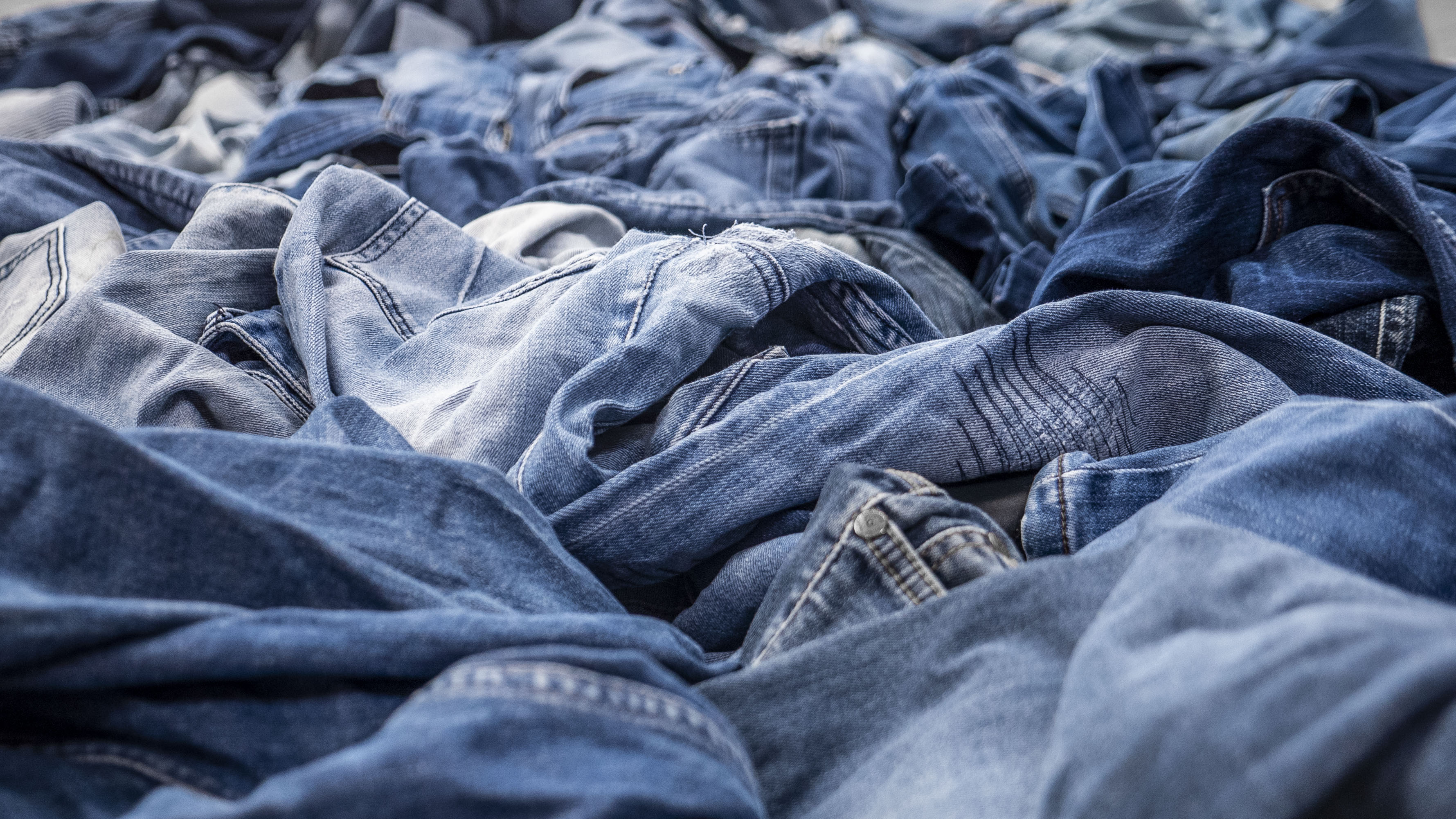
The worn-through jeans, the stained shirts, the stretched activewear, the odd socks and the tired towels: this is what textile recycling is for. Recycling them onshore keeps them in circulation as a local resource, instead of letting them become landfill or someone else’s problem overseas.
What UPPAREL accepts (and what we can’t)
We accept (almost) all textiles, in any condition, from brand new to heavily worn with rips, stains and holes. The only requirement is that they’re clean. Our team sorts everything by hand, so we recommend popping your items through a quick wash before you pack them.
We accept:
- Clothing (jeans, shirts, coats and more)
- Fabric off-cuts and sewing scraps
- Hats, socks and hosiery
- Shoes
- Linen, including bedding, blankets and towels
- Fabric mattress protectors, couch covers and curtains
- Bathers, swimwear and wetsuits
- Wireless bras (or bras with the wire removed)
We can’t accept:
- Doonas, pillows and cushions
- Unwashed or mouldy items
- Used underwear and cloth nappies
- Bags, belts and soft toys
- Carpet
- Polyurethane (PU) leather
- Wired bras
How to book a textile recycling collection with UPPAREL
Recycling with us takes three simple steps, and it works Australia-wide.
1. Purchase your recycling box
Choose how much you’d like to recycle. Recycling starts from $35, which covers 10kg of textiles in one box. There’s also a 20kg option if you’ve got a bigger clear-out.
2. Pack your clean textiles
UPPAREL doesn’t send out boxes, which keeps waste and emissions down. Instead, use any box no larger than carry-on luggage. A food delivery box, grocery box or moving box all work well. Please note that couriers can’t collect garbage bags.
3. Book your collection
Click the “Book Your Collection” button in your confirmation email to open your booking portal. From there, choose a courier pick-up from your door or a drop-off at your local Australia Post. Then print the labels we email you, attach them to your box and we’ll handle the rest. Couriers don’t collect on weekends, and if you live in an apartment without a safe place to leave your box, the post office drop-off is the easier option.
Ready to clear out your wardrobe the right way? Book your textile recycling collection with UPPAREL and keep your old clothes out of landfill.
What happens to your clothes after you send them
Every item we receive is sorted by hand, and 100% of the recoverable textiles are reused, repurposed or recycled within our operations. Nothing is sent to landfill. Wearable pieces go to our charity partners. Others are repurposed by local designers and makers.
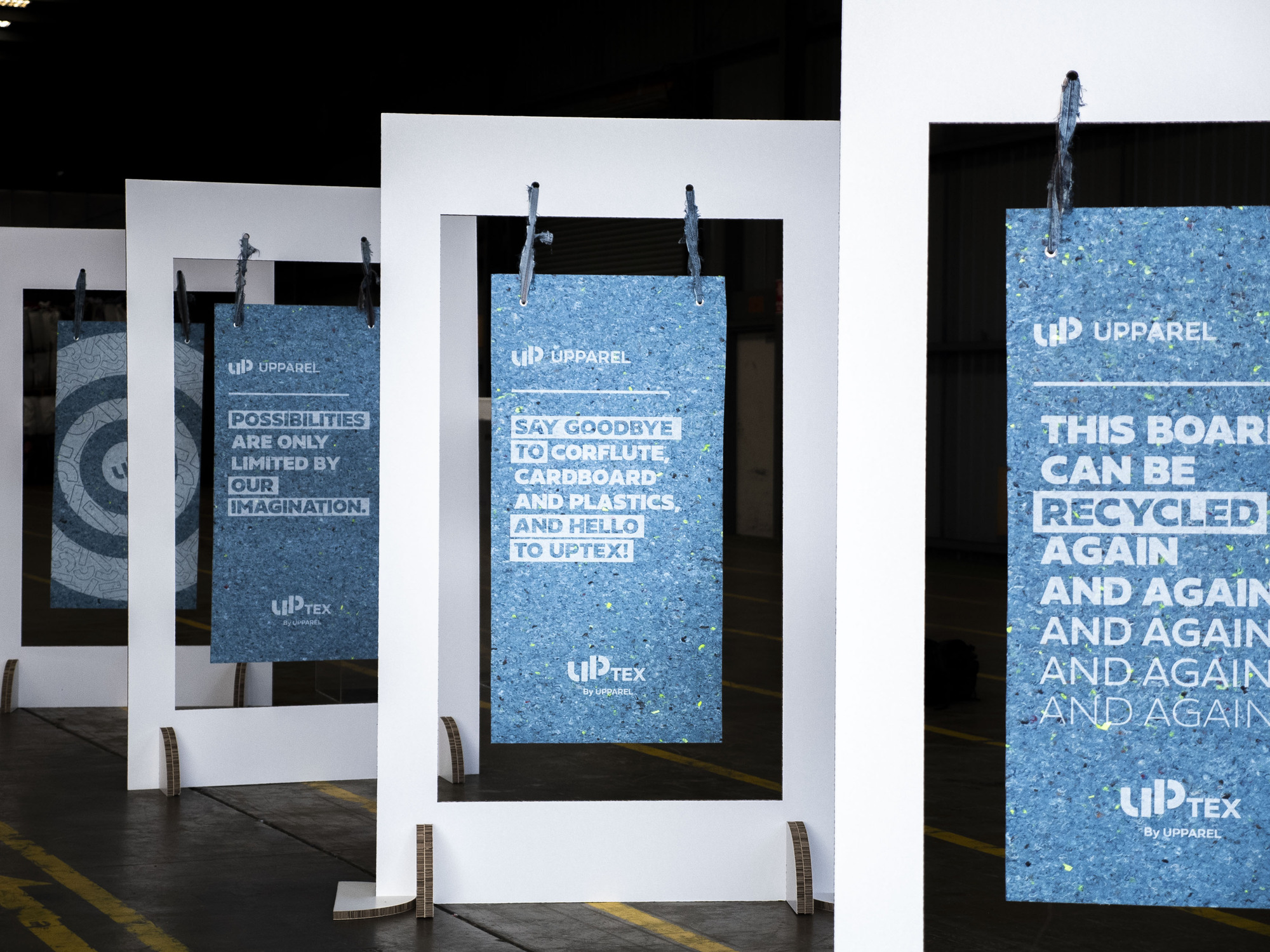
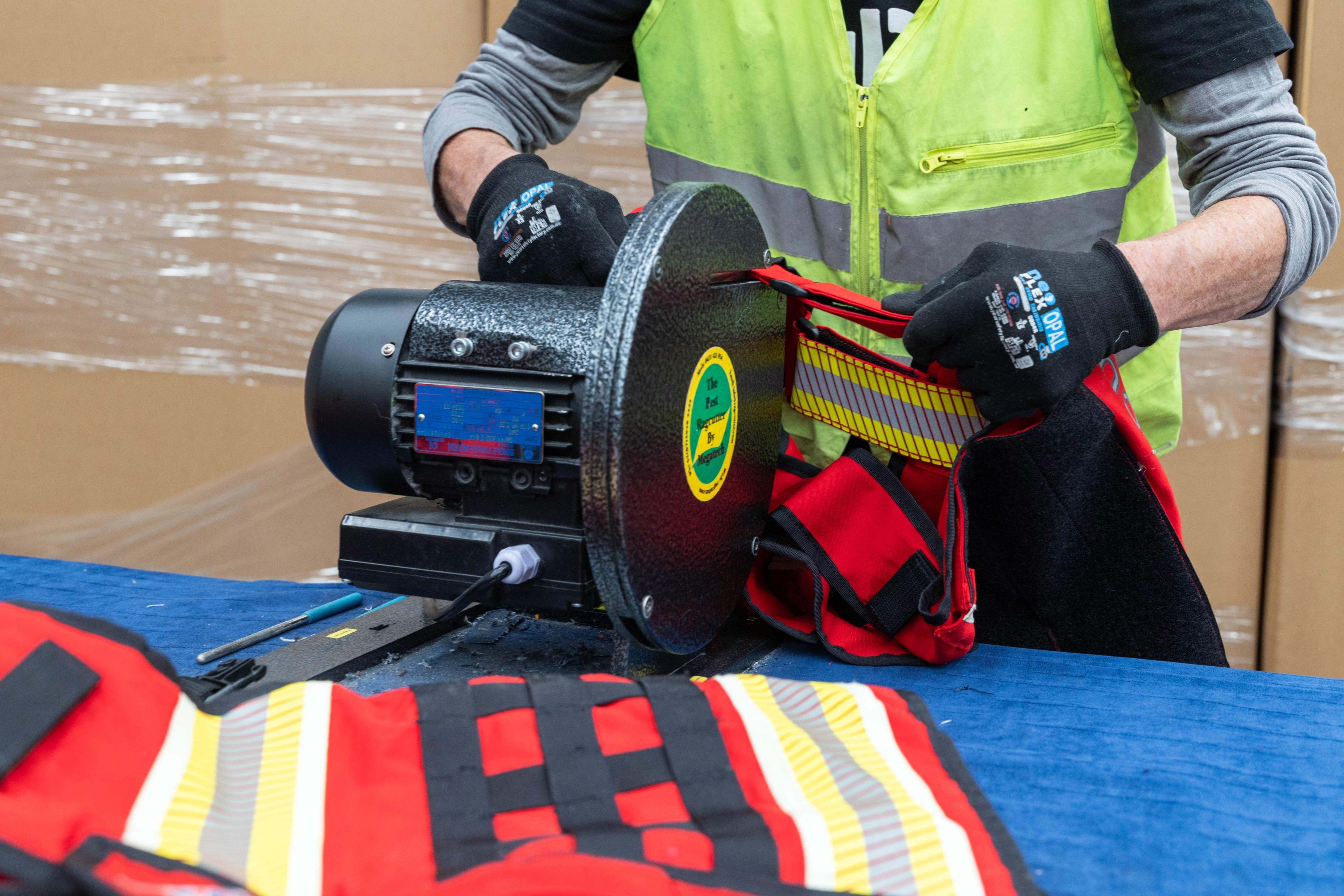
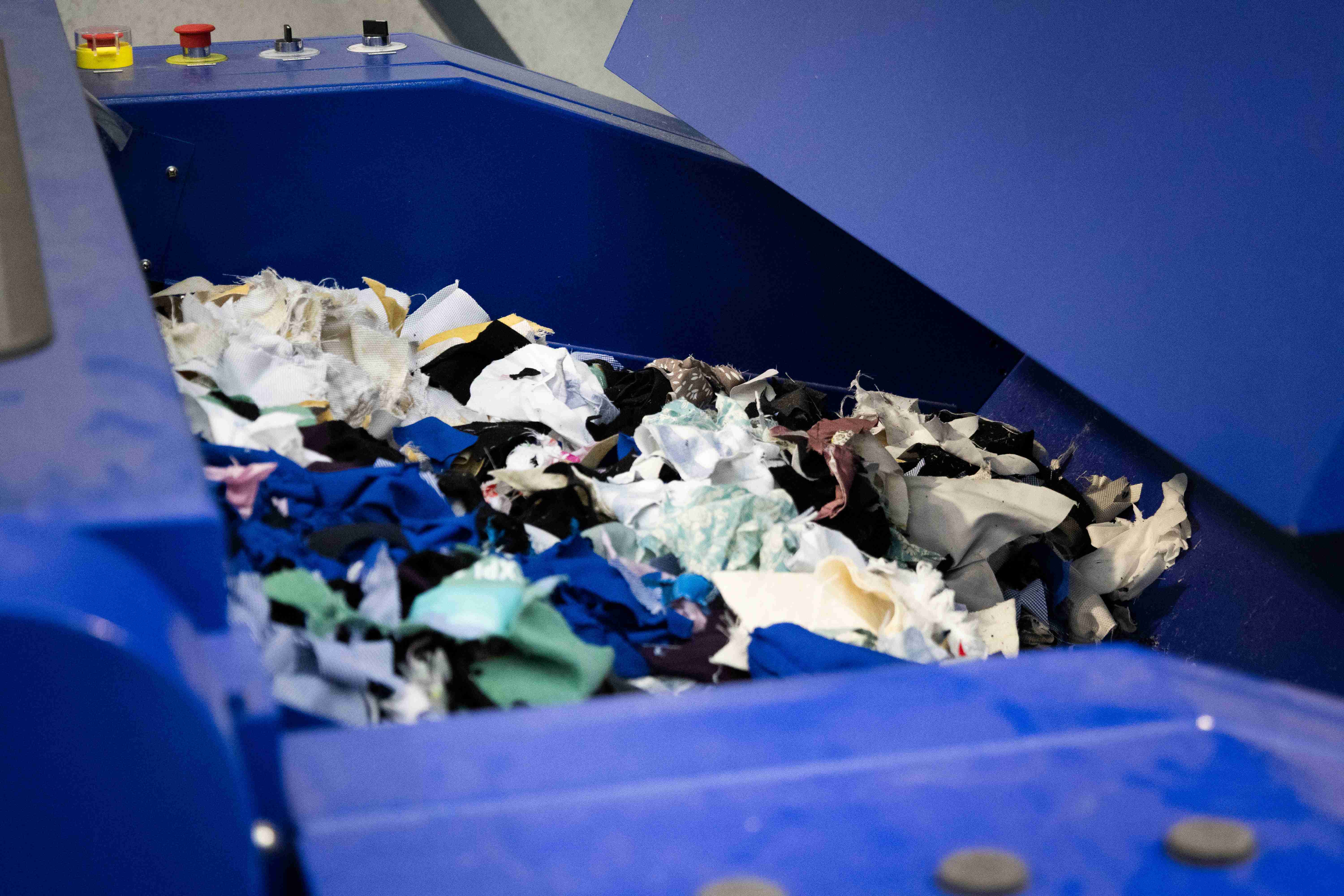
Everything else is turned into UPtex. First, we remove hardware like zips and buttons. Then the textiles are broken down through an industrial tearing process into a fine fibre. That fibre becomes UPtex, a material that’s 100% recycled and 100% recyclable, used in applications like acoustic panels, furniture fill and flooring underlay.
Best of all, we do it all onshore, right here in Australia, with full traceability from collection through to final outcome.
A triple benefit
Recycling your old clothes onshore pays off in three ways at once:
- Better for the planet. Every kilogram you keep out of landfill prevents an average of 3 to 4 kilograms of greenhouse gas emissions.
- Better for the economy. Materials, value and jobs stay in Australia, which helps build a genuinely circular textile economy.
- Better for the community. Every worn-out item you recycle is one that a charity doesn’t have to pay to dispose of, so more of its funds reach the people it supports.
Sort first, then recycle the rest
There’s nothing wrong with buying new clothes. What matters is what you do with the old ones. So the next time you clear out your wardrobe, don’t bag it all up and hope for the best. Keep what you’ll wear, pass on what’s still good, and recycle everything else.
It’s a small change in habit, but it adds up fast. Multiply 23 kilograms by every Australian household, and you can see why. The clothes you no longer want can still do good. They just need to go to the right place.
Ready to give your old clothes and textiles a second life? Book your textile recycling collection with UPPAREL and keep them in circulation, onshore and out of landfill.
Frequently asked questions
Can I put old clothes in my recycling bin? No. Kerbside recycling isn’t set up to process textiles, and fabric can jam the sorting equipment. Instead, recycle your old clothes with an onshore textile recycler like UPPAREL, or give quality pieces to an op shop.
Can I recycle clothes that are ripped or stained? Yes. UPPAREL accepts items in any condition, from brand new to heavily worn with rips, stains and holes. The only requirement is that they’re clean, so we recommend a quick wash before you pack them.
What can’t UPPAREL accept? We can’t accept doonas, pillows, cushions, soft toys, bags, belts, carpet, cloth nappies, soft toys, wired bras or used underwear. We also can’t accept unwashed or mouldy items.
How much does textile recycling cost? Recycling starts from $35 for a 10kg box. As an independent business without government funding, the fee helps cover the costs of transporting, sorting and processing every item onshore.
Do you collect from my address? Yes. We offer textile recycling collections Australia-wide. You can choose a courier pick-up from your door or drop your box at your local Australia Post. Couriers don’t collect on weekends.
UPPAREL is Australia’s leading onshore textile recycler. We turn end-of-life clothing and textiles into a circular resource, used in acoustic panels, furniture fill, flooring underlay and other construction and manufacturing applications. We process every item entirely in Australia, with full traceability from collection to final outcome.
Search
Latest Posts

Ready to  Recycle?
Join thousands of Australians making a difference, one textile at a time.