

Destruction Isn’t the Endpoint: Why Secure Destruction Needs to Be Circular Too
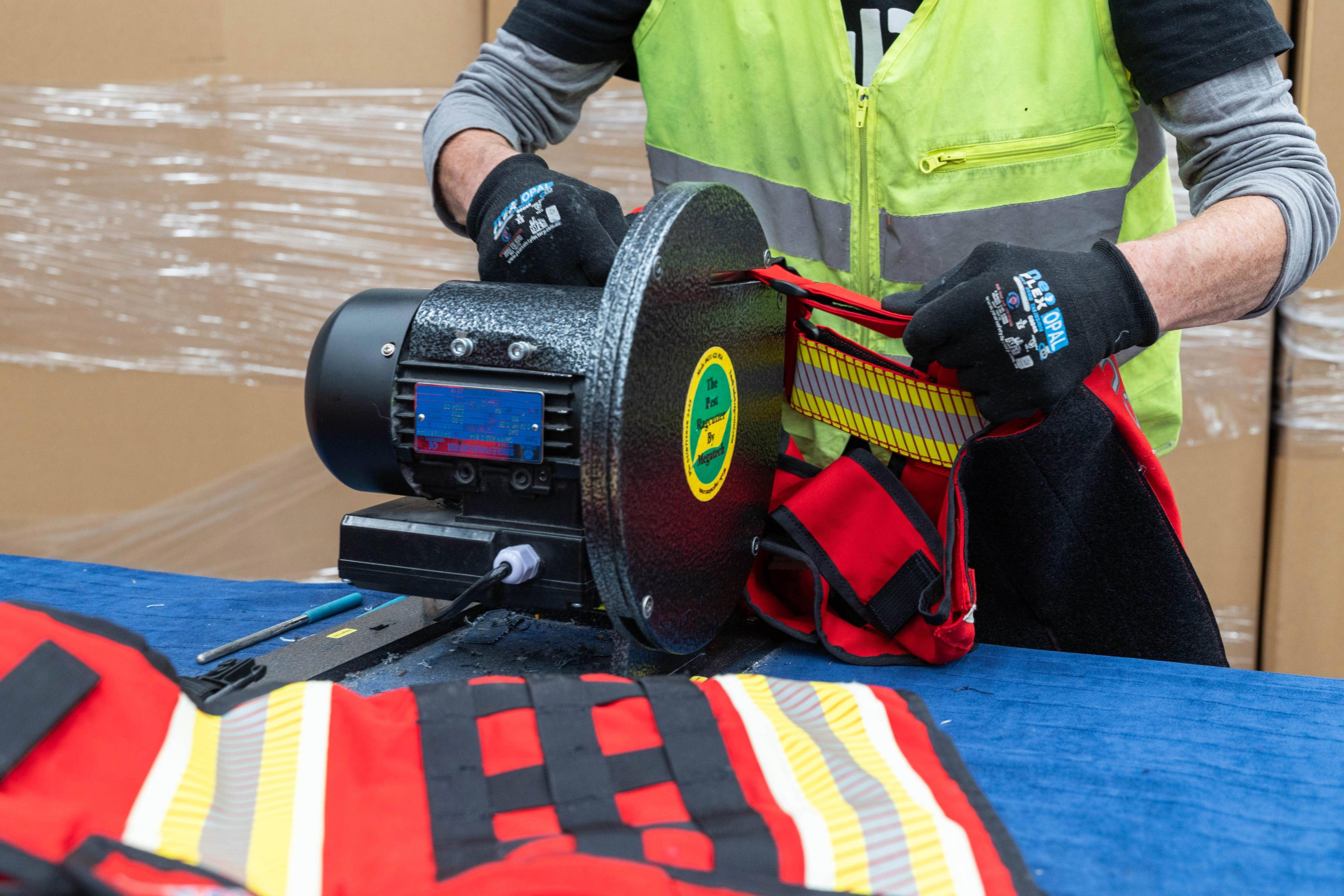
Most brands assume “securely destroyed” and “sustainably destroyed” mean the same thing. They don’t. A shredder can make a uniform unusable and still send it straight to landfill or incineration. That’s destruction. It isn’t a sustainable outcome, and it isn’t always verifiable either. UPPAREL offers something different. Our destruction is fully traceable. It comes with a Certificate of Destruction. And it closes the loop from end to end, so nothing ends up in landfill and nothing carrying your brand ends up in the wrong hands.
So here’s the bottom line up front. There’s a real difference between destruction and sustainable, verifiable destruction. The first solves one problem. The second solves it properly. It protects your brand, closes the loop on the material, and gives you documented proof of both.
Quick answer: Not all secure destruction is equal. Some methods destroy branded items but send the resulting waste to landfill or incineration, with little to no traceability. UPPAREL takes a different approach. We destroy every item onshore, under a verified chain of custody. We back it with a Certificate of Destruction. And we recycle the material into UPtex, instead of wasting it. That’s the difference between destruction and a genuinely circular, verifiable solution.
The piece most sustainability conversations miss
Discussions around textile sustainability tend to focus on recycling rates, material recovery and landfill diversion. Those numbers matter, and they’re the numbers that show up in reports, celebrations and impact decks. But almost every one of those conversations misses a piece. It’s the piece that determines whether a brand’s end-of-life textiles actually stay gone: security.
Uniforms, samples and defective merchandise that don’t go through proper destruction can re-enter the market anyway. They turn up on resale platforms, gray markets, or on someone with no link to the brand. That’s not a sustainability win. It’s a liability sitting quietly in a “recycled” statistic.
Destruction methods aren’t all equal
Impersonation isn’t a hypothetical risk. It’s a known one. Branded uniforms signal authority and trust. That’s exactly what makes them valuable to anyone who wants to misuse them. Someone might use one to gain access somewhere they shouldn’t, run a scam, or simply damage a brand’s name by wearing its logo without permission. Impersonation scams are also on the rise more broadly, and businesses are the most common target. That makes secure destruction less of a nice-to-have and more of a basic safeguard.
But here’s what most destruction providers don’t tell you. Destroying the risk and disposing of the material responsibly are two separate jobs. Plenty of “secure destruction” services will shred a uniform to stop anyone wearing it again. Then they send what’s left to landfill or an incinerator. They handle the brand risk. They don’t solve the sustainability problem. You end up with a certificate that proves the destruction happened. But you get no answer for where the material actually went.
That’s why sustainable, verifiable destruction needs to be its own category, not something the word “destruction” gets to assume.
What verifiable, sustainable destruction actually looks like
This is the standard UPPAREL applies to every job. We process corporate workwear, designer-branded pieces, quarantined stock and counterfeit goods at our onshore facility, with:
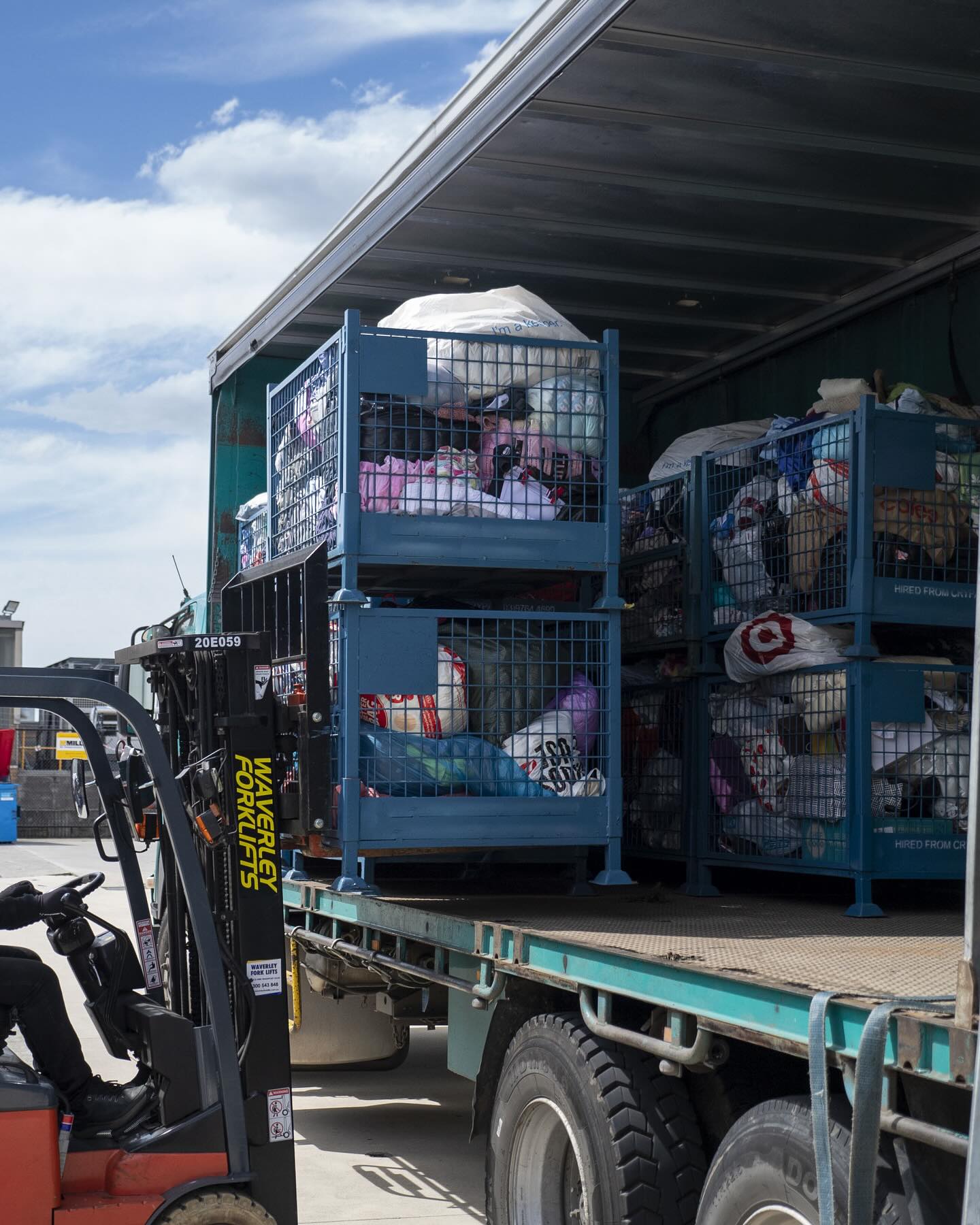
- A documented chain of custody. We track every item from collection to final processing, so there’s no gap where stock could go missing.
- Onshore processing, so nothing leaves the country and disappears offshore where we can’t verify it.
- Permanent destruction, so no one can ever reconstruct or re-wear items carrying a logo, colourway or identifying feature.
- Full transparency, with live monitoring of the destruction process. You can verify the outcome instead of taking it on trust.
- A Certificate of Destruction, giving documented, official proof that we completely and permanently destroyed every specific item.
- A circular outcome, so we recycle the material itself onshore rather than send it to landfill or incineration.
That last point is what separates sustainable, verifiable destruction from destruction alone. Nothing carrying your identity gets a second chance to compromise your brand. And none of it goes to waste.
Destroyed doesn’t mean wasted
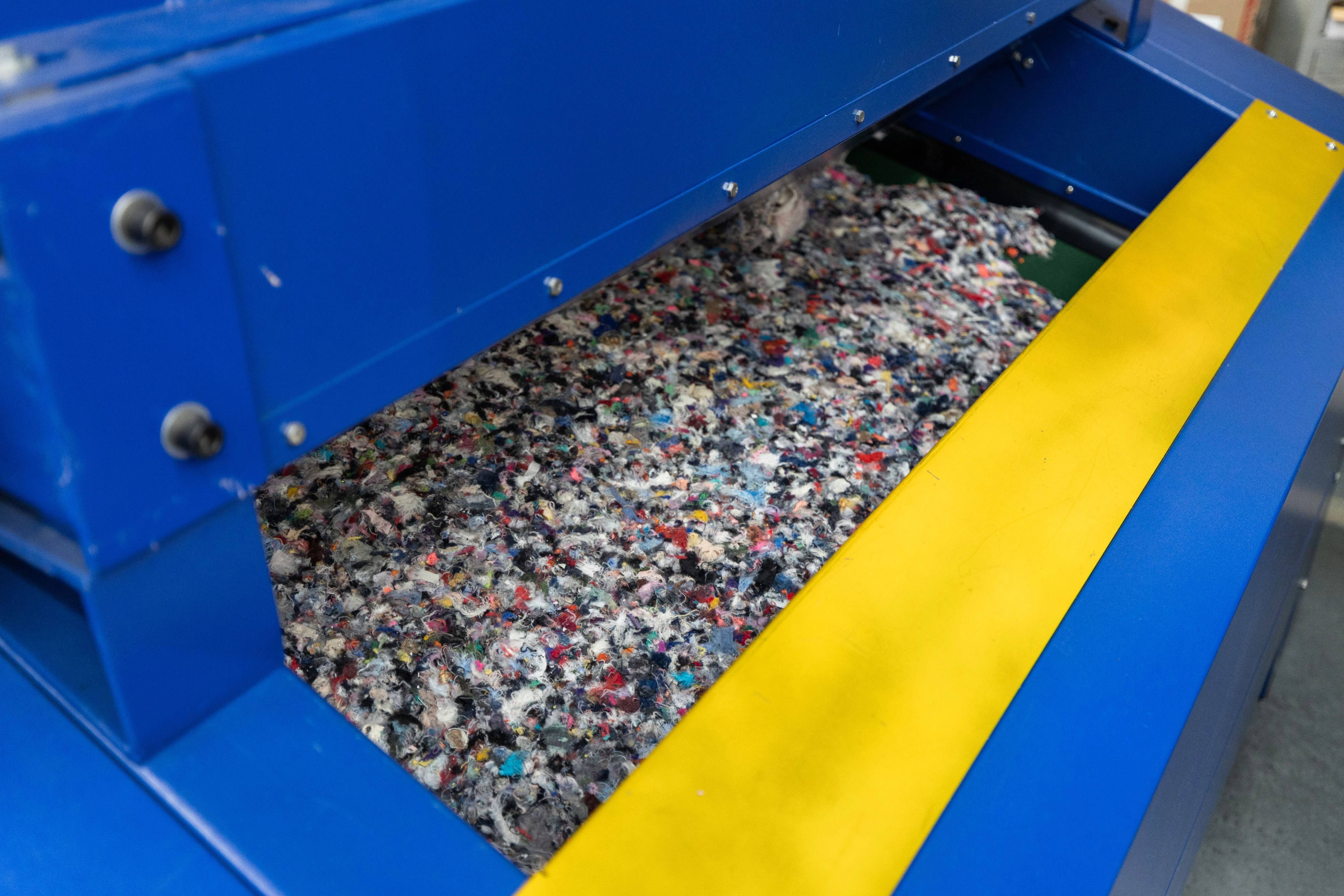
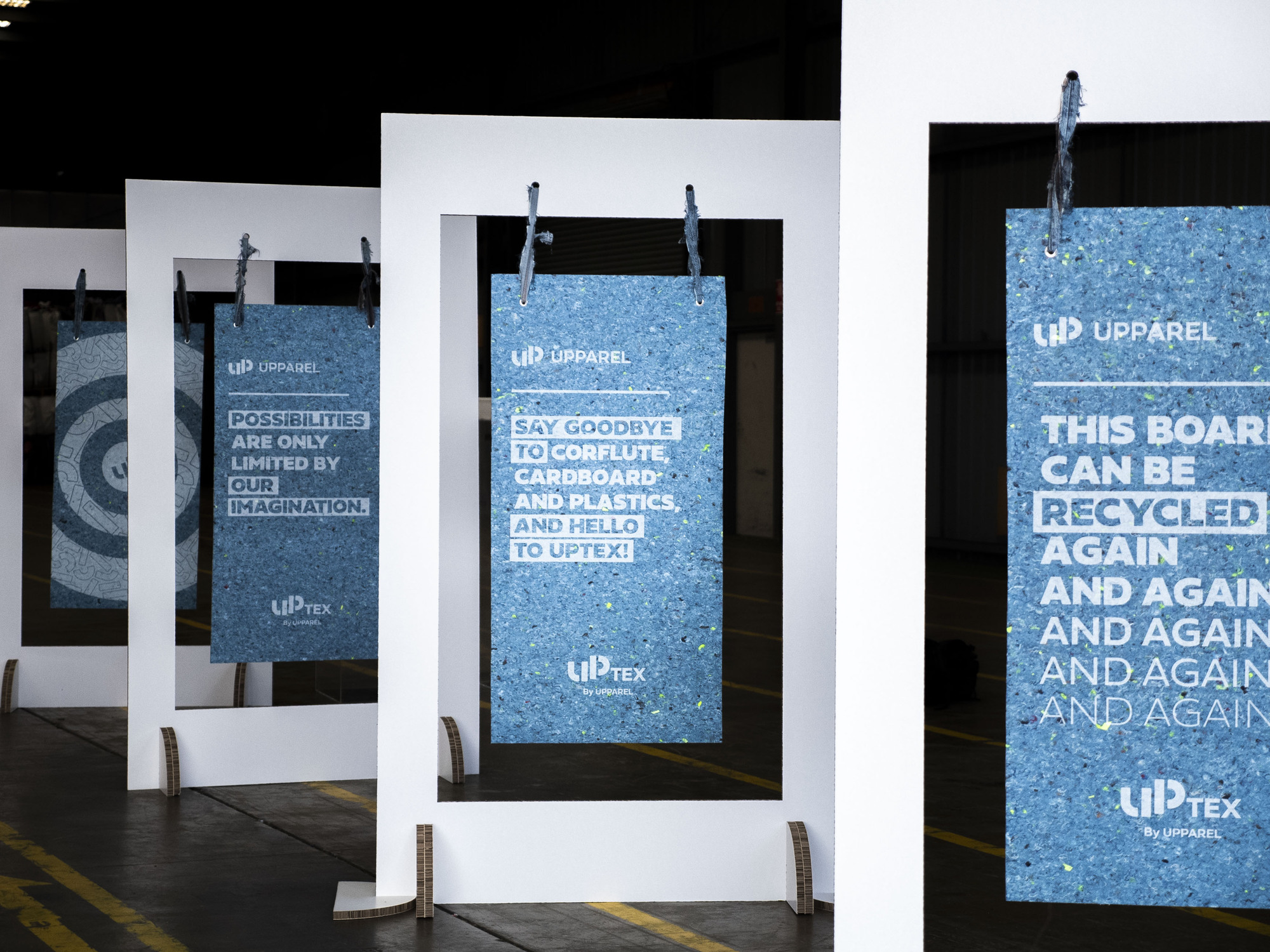
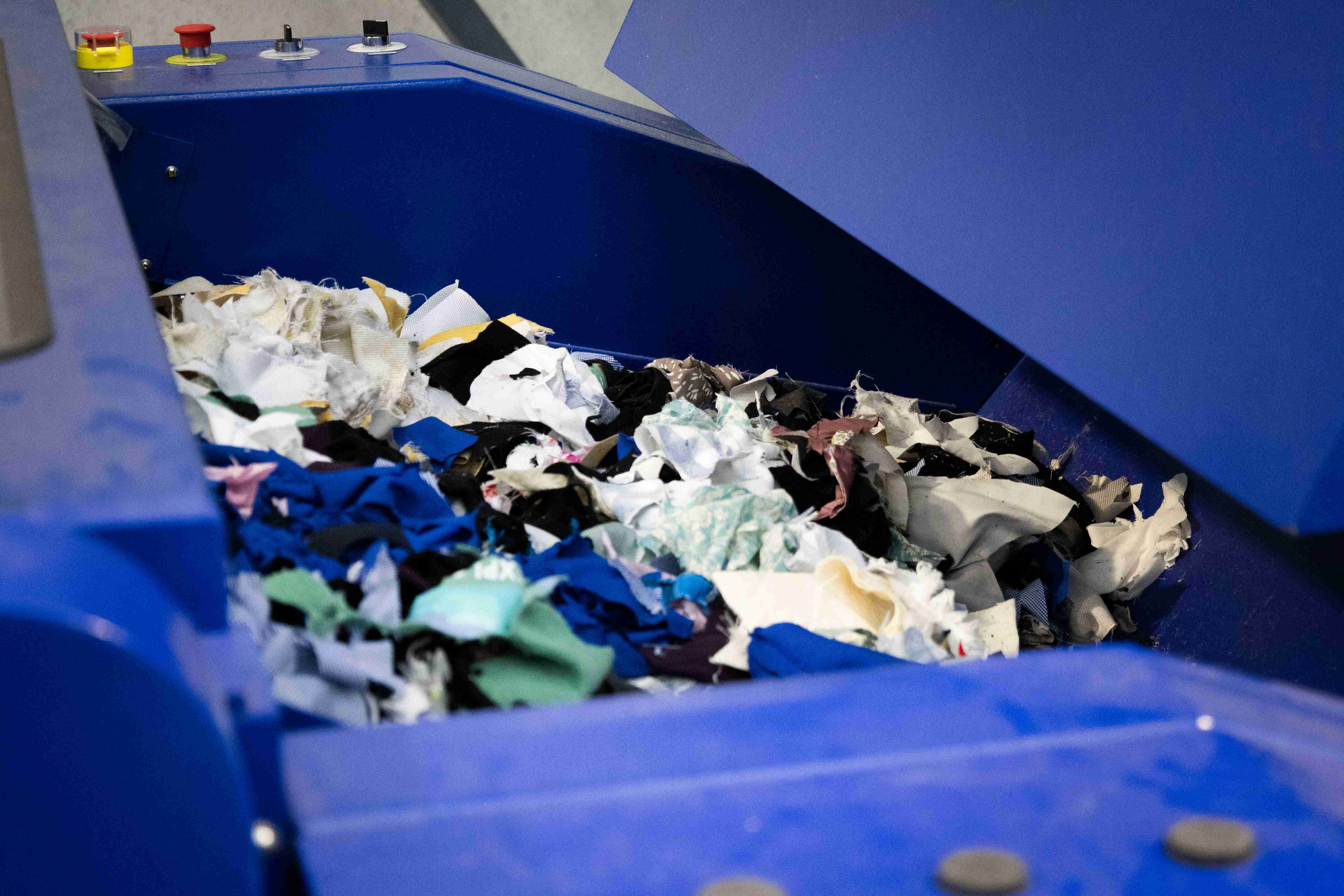
Secure destruction and circularity aren’t in tension — they work together. Once we permanently remove branded identity, the material itself still has value. UPPAREL’s mechanical recycling process breaks textiles down into fine fibre. That fibre either replaces virgin polyester fill directly, or we compress it into UPtex. UPtex is a 100% recycled, fully recyclable material. It goes into acoustic panelling, furniture fill, flooring underlay and automotive lining.
So the outcome isn’t destruction and landfill. It’s destruction and reinvention. The uniform is gone. The material isn’t.
A triple benefit
Choosing sustainable, verifiable destruction over standard destruction pays off in three ways at once:
- Better for brand integrity. A verified chain of custody and a Certificate of Destruction cut the risk of stock resurfacing. That means no resale platforms, gray markets, or someone with no link to the brand.
- Better for sustainability claims. A circular, onshore outcome means your diversion stats reflect what actually happened to the material. Not just that destruction took place.
- Better for the circular economy. Once we destroy textiles, they don’t disappear. We remake them onshore into UPtex, keeping material and value inside Australia’s economy.
The takeaway
Destruction alone answers one question: is the risk gone? Sustainable, verifiable destruction answers two: is the risk gone, and can you prove where the material ended up? Only one of those is a genuine sustainability outcome. And it’s the one that protects your brand at the same time.
That’s the gap UPPAREL exists to close.
Want full traceability, a Certificate of Destruction, and a circular outcome for your end-of-life uniforms, samples or defective stock? Get in touch with our Partnerships Team to talk through a secure destruction solution.
Frequently asked questions
What’s the difference between secure destruction and sustainable, verifiable destruction? Secure destruction simply means no one can wear or reconstruct an item afterward. Sustainable, verifiable destruction goes further. A documented chain of custody and a Certificate of Destruction back it up. And we recycle the resulting material instead of sending it to landfill or incineration.
Why do uniforms and branded stock need secure destruction? Uniforms and branded items signal authority and trust. If they end up in the wrong hands, someone can use them for impersonation, unauthorised access, or brand misuse. That can cause reputational damage the original brand had no part in.
What does a Certificate of Destruction prove? It’s documented, official proof that we completely and permanently destroyed specific items. It gives an organisation a verifiable record for compliance, brand protection and reporting purposes.
What happens to textiles after secure destruction with UPPAREL? We mechanically process destroyed textiles into fine fibre. That fibre either replaces virgin polyester fill, or we compress it into UPtex. UPtex is a fully recycled and recyclable material that goes into acoustic panelling, furniture fill, flooring underlay and automotive lining.
UPPAREL is Australia’s leading onshore textile recycler. We offer secure, sustainable and verifiable destruction for brands, uniforms and end-of-life stock, with full traceability and a Certificate of Destruction for every job. Every item we process stays onshore and re-enters the economy, never landfill.
Search
Latest Posts
Ready to  Recycle?
Join thousands of Australians making a difference, one textile at a time.