

UPPAREL Wins a Good Design Award Best in Class for UPtex: The End of Single-Use Signage
Good design doesn’t just look the part. It changes what happens next.
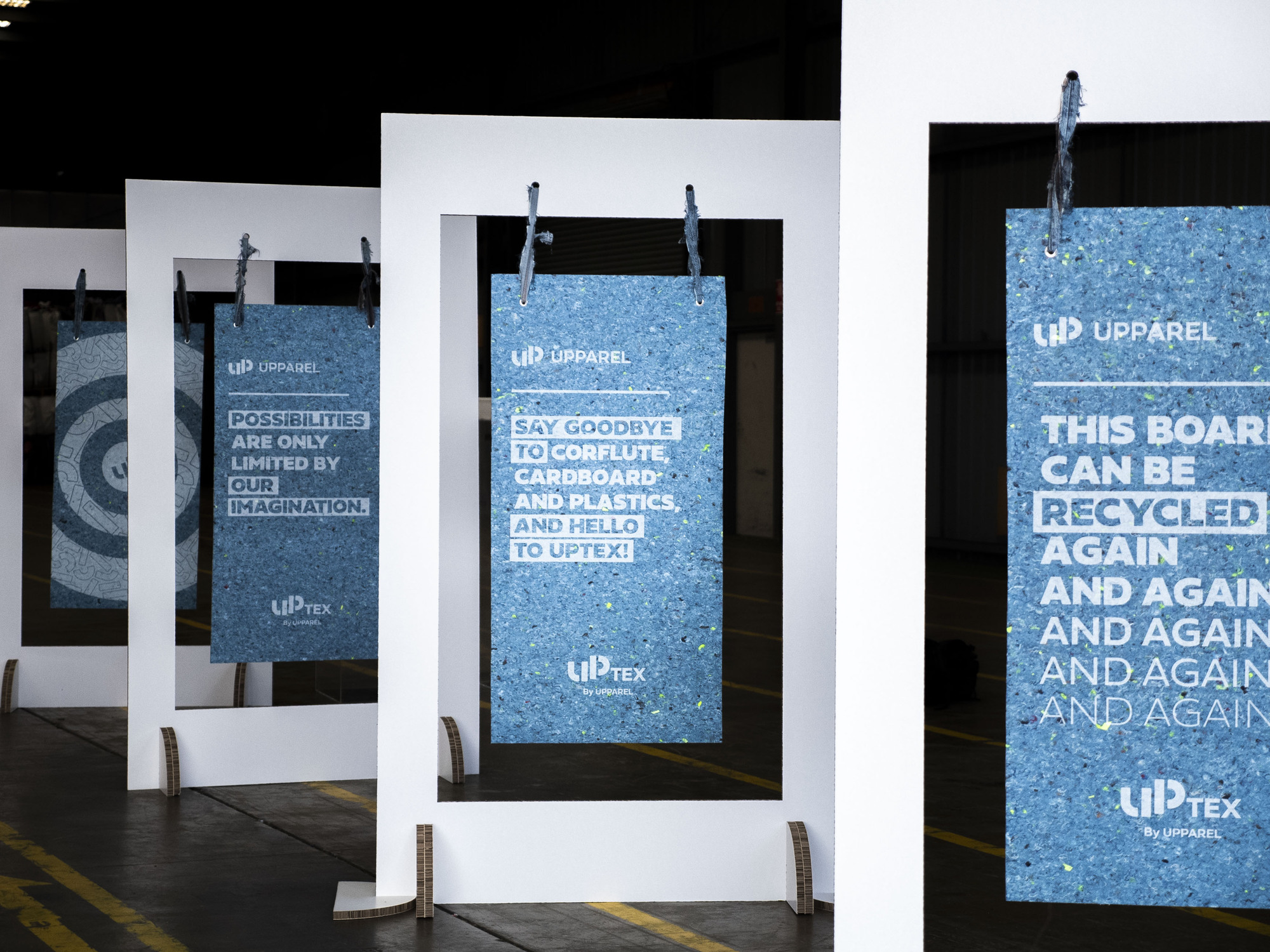
The 2026 Australian Good Design Awards have given UPPAREL a Best in Class award in the Fashion and Textiles category. The winning entry, UPtex: The End of Single-Use Signage, recognises UPtex, our circular signage board made entirely from recycled textile waste.
It started with one question: what if we could print onto textile waste and retire single-use corflute for good? Best in Class is the top honour in the category, so seeing that question recognised at the highest level means a great deal to us.
Quick answer: UPtex won a 2026 Good Design Award Best in Class for Fashion and Textiles. It’s a fully circular signage board that replaces virgin corflute. You can print each board up to 16 times. After that, we take it back, defibre it and remake it into new signage onshore in Australia. As a result, nothing goes to landfill. Ever.
What theGood Design Awards stand for
The Australian Good Design Awards are the country’s most respected mark of design excellence, and Best in Class is the highest honour a category can give. Entrants can’t win it on a pitch. Instead, an independent expert jury tests every entry on three things: is it genuinely good design, is it truly innovative, and does it deliver measurable, lasting impact.
That’s why this win matters to us. We’re not a design studio. Rather, we’re a textile recycler that set out to solve a waste problem and ended up designing a product the jury judged the best in its field. In short, it proves that circular thinking can out-design the status quo, not just match it.
Why the Fashion and Textiles category matters
The problem with signage
Every year, businesses print, use and bin virgin corflute signage. Manufacturers make it from plastic, produce it new for every campaign and rarely recover it. Print it, use it, throw it out. Repeat.
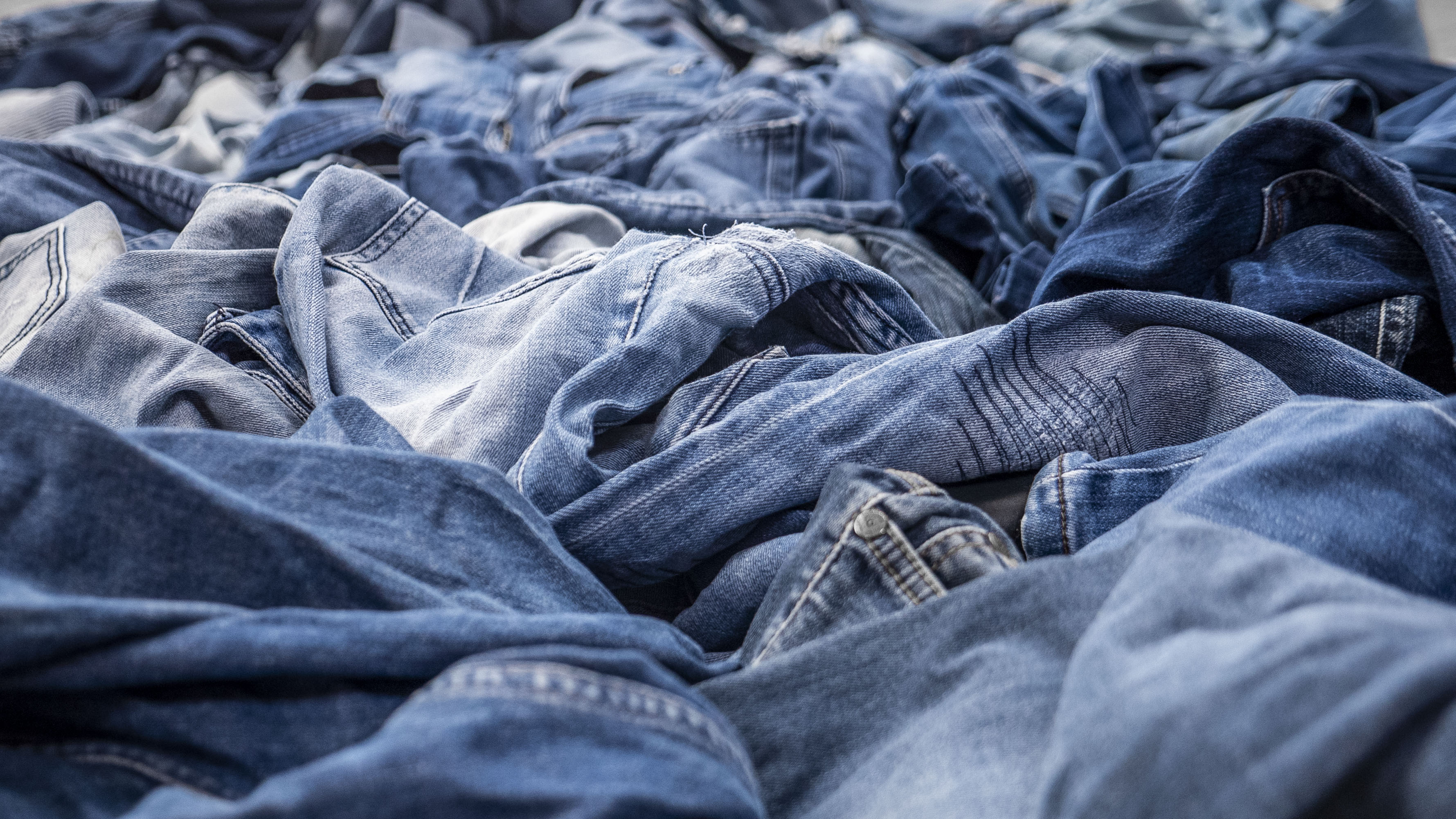
Meanwhile, Australians are among the world’s biggest textile consumers, and we ship most of that waste offshore to landfill or incineration. So we have two waste streams with no connection between them. Until UPtex.
How UPtex closes the loop
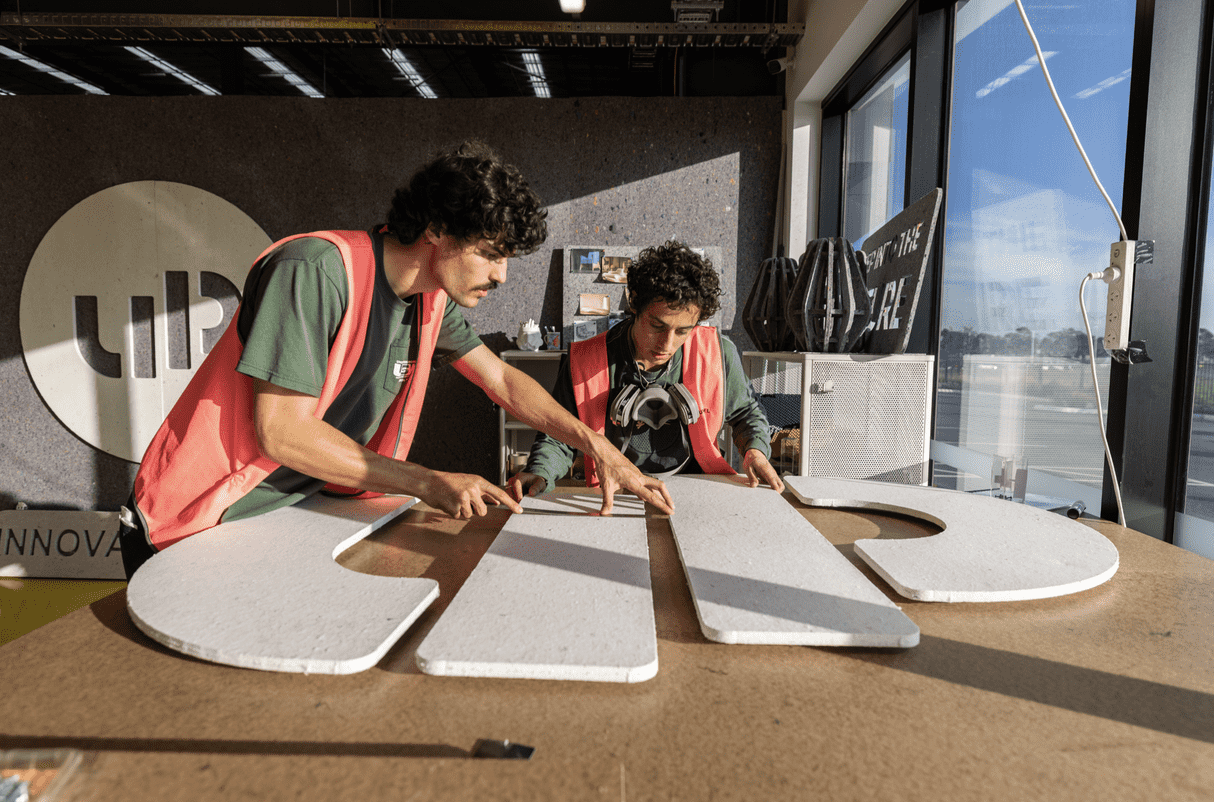
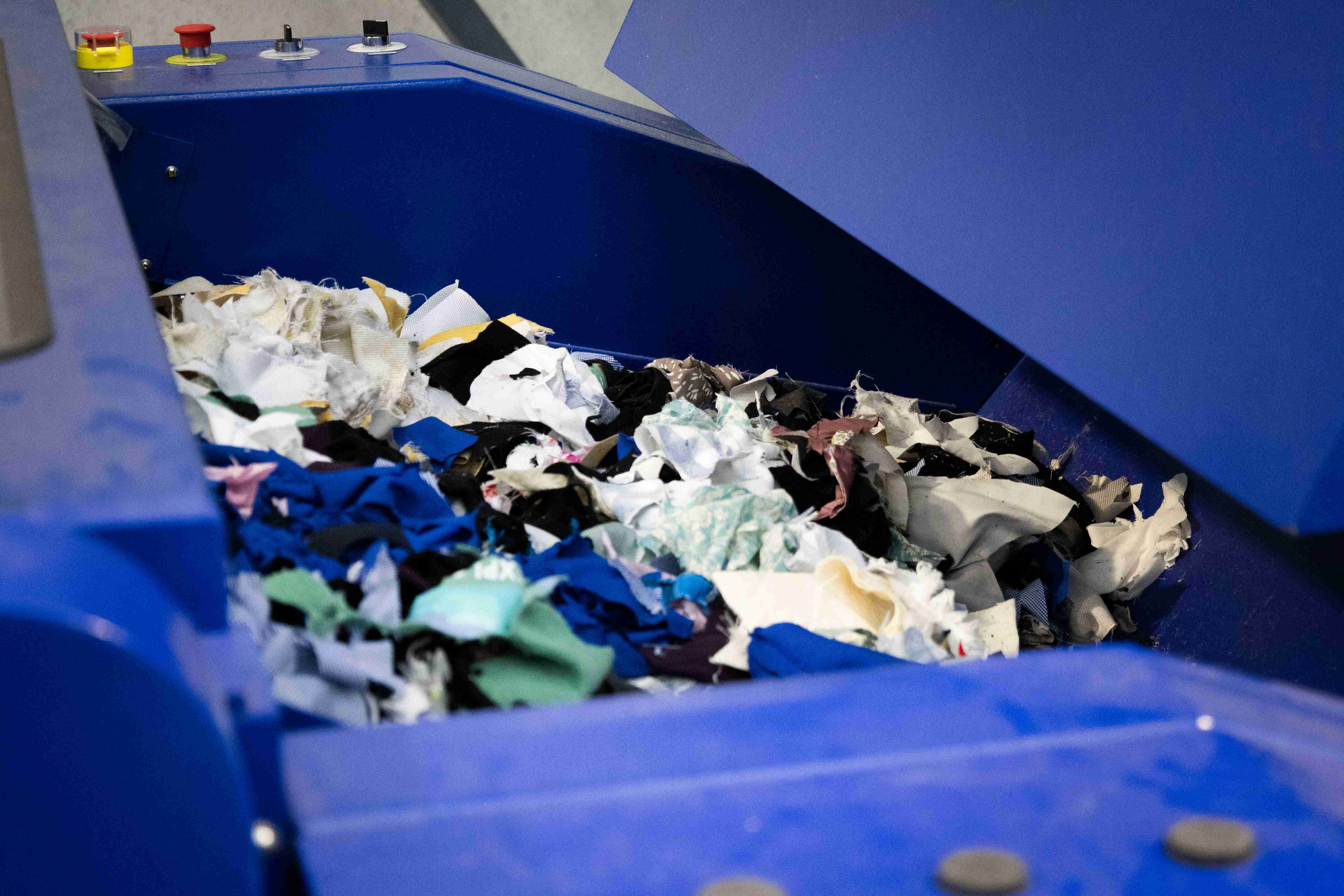
UPtex turns recycled textile waste into a durable, printable signage board. We engineered it on purpose-built machinery to match virgin corflute and beat it. Here’s what your business gets:
- A direct corflute replacement. UPtex has the same rigidity, durability and feel as corflute, and it comes in thicknesses from lightweight retail displays to heavy-duty signs. You make no compromise.
- Up to 16 print cycles. One board does the job of many, so you slash reorders and cut the cost and emissions of every new run.
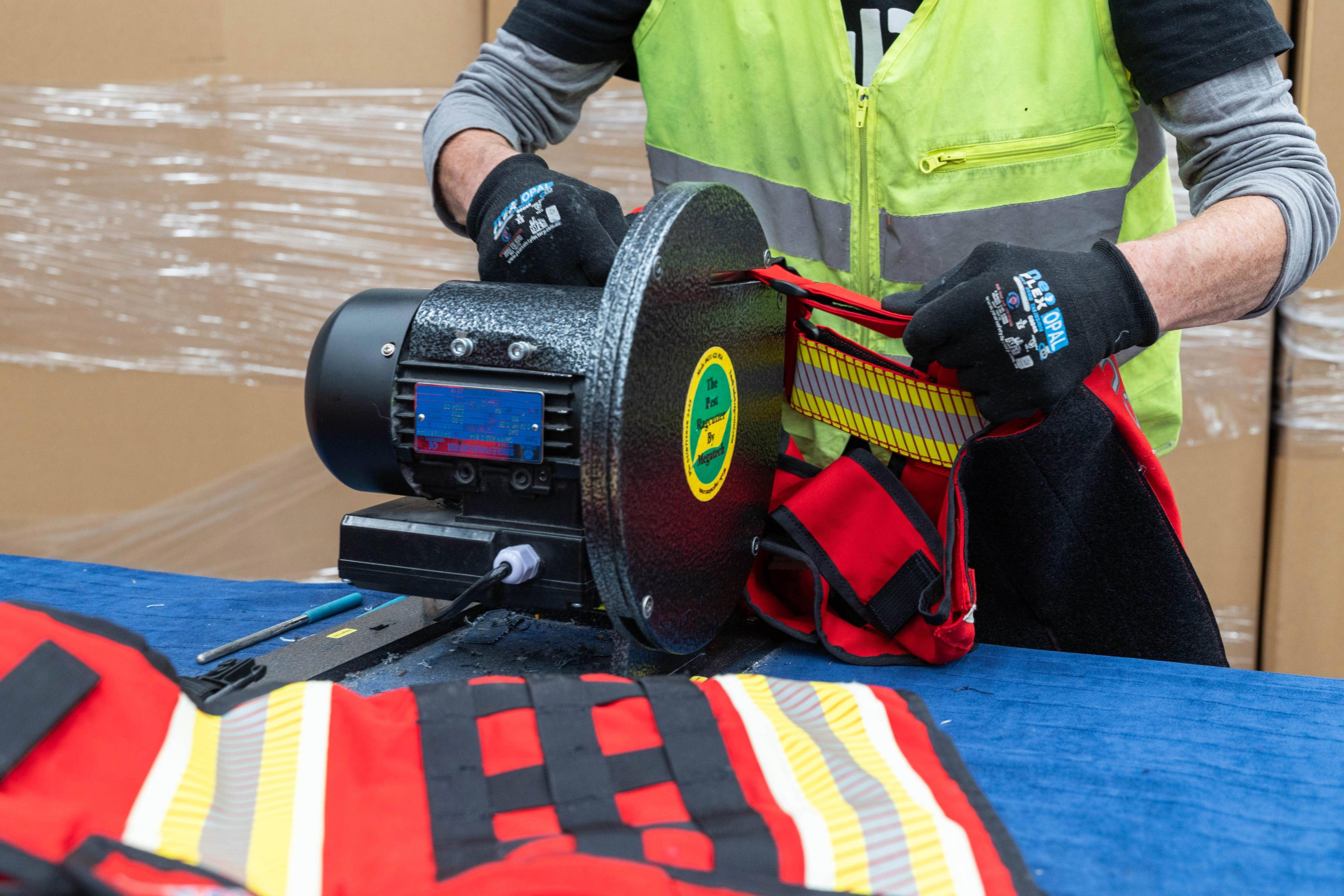
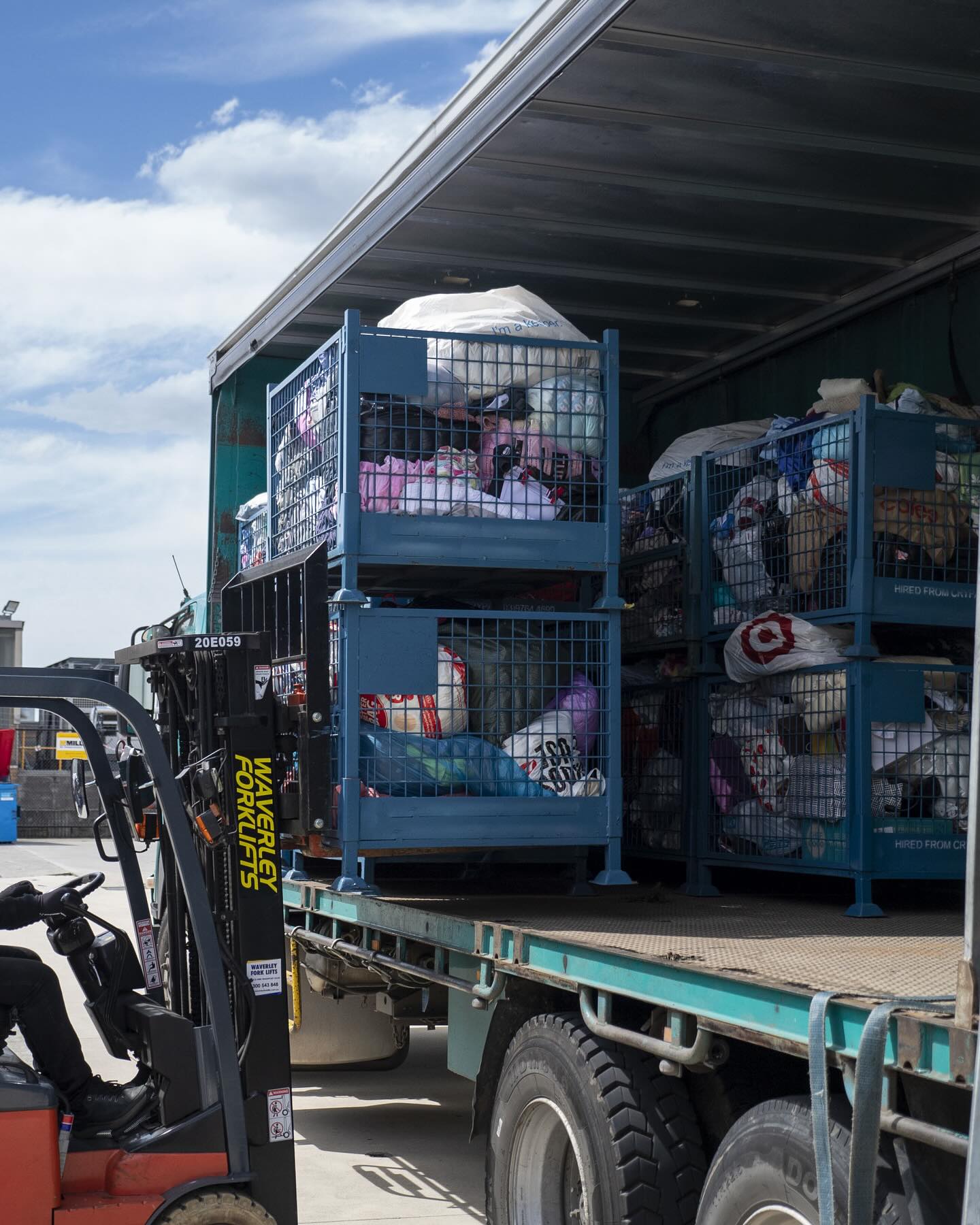
- A genuinely closed loop. At end of life, boards come back to us. We defibre them and turn them into new signage, which means zero landfill.
- Fully onshore and traceable. Every step happens in Australia, so you can see and prove exactly where your material goes.
Each A1 UPtex sign prevents around 150kg of greenhouse gas emissions over its lifetime. Melbourne BMW was among the first to prove it in a retail setting, an industry first for sustainable signage.
What it means for Australia’s circular economy
Here’s the part that matters most. Every company that switches to UPtex sends its end-of-life textiles to us, and then gets them back as the signage on its own walls. As a result, waste that used to leave the country now stays onshore. It keeps material and value inside Australia’s economy instead of sending them to landfill overseas.
Moreover, a Best in Class win tells the market that circular materials aren’t the compromise option anymore. They’re the benchmark. Textile waste isn’t a problem to manage. It’s a resource waiting for the right design.
And we’re scaling. We’ve diverted more than 17.1 million kilograms of textiles from Australian landfill, and the AFR named us a finalist in its 2026 Sustainability Leaders Awards. In addition, we’re finalising new technology that will multiply our processing capacity tenfold. Consequently, we’ll recover more waste and put more UPtex into the world.
What’s next for UPtex
Frequently asked questions
What is a Good Design Award Best in Class?
Best in Class is the highest honour within a category at the Australian Good Design Awards. It recognises the entry the independent jury rated strongest across Good Design, Design Innovation and Design Impact.
What is UPtex?
UPtex is a circular signage board that comes from 100% recycled textile waste. It replaces virgin corflute, and you can print it up to 16 times. Afterwards, you return it to UPPAREL and we remake it into new signage.
Is UPtex a good alternative to corflute?
Yes. UPtex matches corflute’s rigidity, durability and printability. In addition, you can reuse it across multiple print cycles, and we remanufacture it at end of life instead of sending it to landfill.
How does UPtex reduce emissions?
Each A1 UPtex sign prevents approximately 150kg of greenhouse gas emissions across its lifetime. It does this by replacing virgin plastic and reducing the number of new boards that need production.
Where does UPtex come from?
We make UPtex onshore in Australia at UPPAREL’s facility in Cranbourne West, Victoria. Furthermore, we trace every step from textile waste to finished board.
UPPAREL is Australia’s leading onshore textile recycler and a Certified B Corp. We turn end-of-life textiles into new materials like UPtex, keeping them in circulation and out of landfill, forever.
Search
Latest Posts
Ready to  Recycle?
Join thousands of Australians making a difference, one textile at a time.