

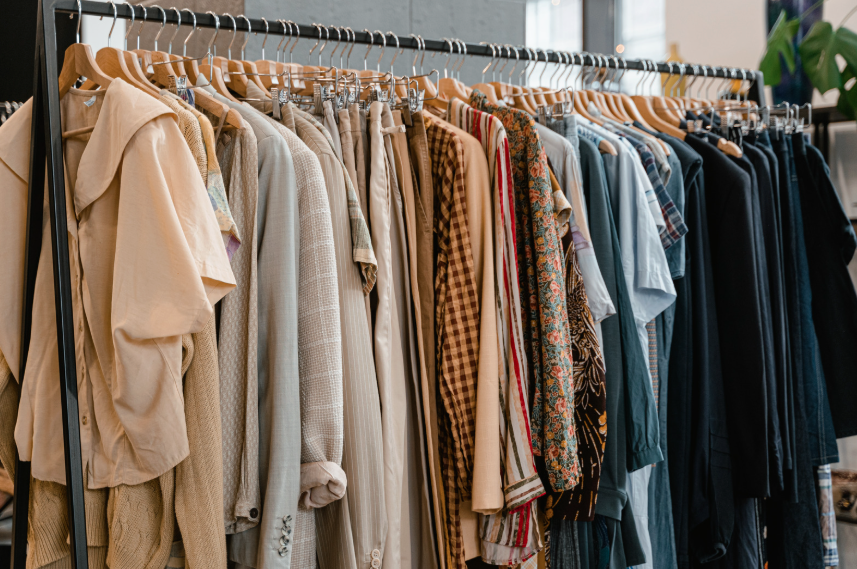
Global Recycling Day: Why Australia Needs to Talk About Textile Waste
Australia is one of the world’s biggest consumers of textiles per capita — and most of our unwanted clothing still ends up in landfill. The good news? Real textile recycling solutions already exist.
Each year, Global Recycling Day encourages us to reflect on the environmental impact of the way we live. It shines a light on the waste we create, the resources we consume, and the systems we urgently need to improve. However, while plastic and e-waste often dominate the conversation, textile waste in Australia remains one of the most overlooked environmental issues of all.
And yet, it should not be.
The clothes we wear every day have become a major contributor to Australia’s growing waste crisis. From fast fashion and overconsumption to poor disposal habits and limited public awareness, the problem continues to grow. More importantly, most Australians still do not realise just how serious it is.
The reality of textile waste in Australia
To put it simply, Australia has a textile waste problem.
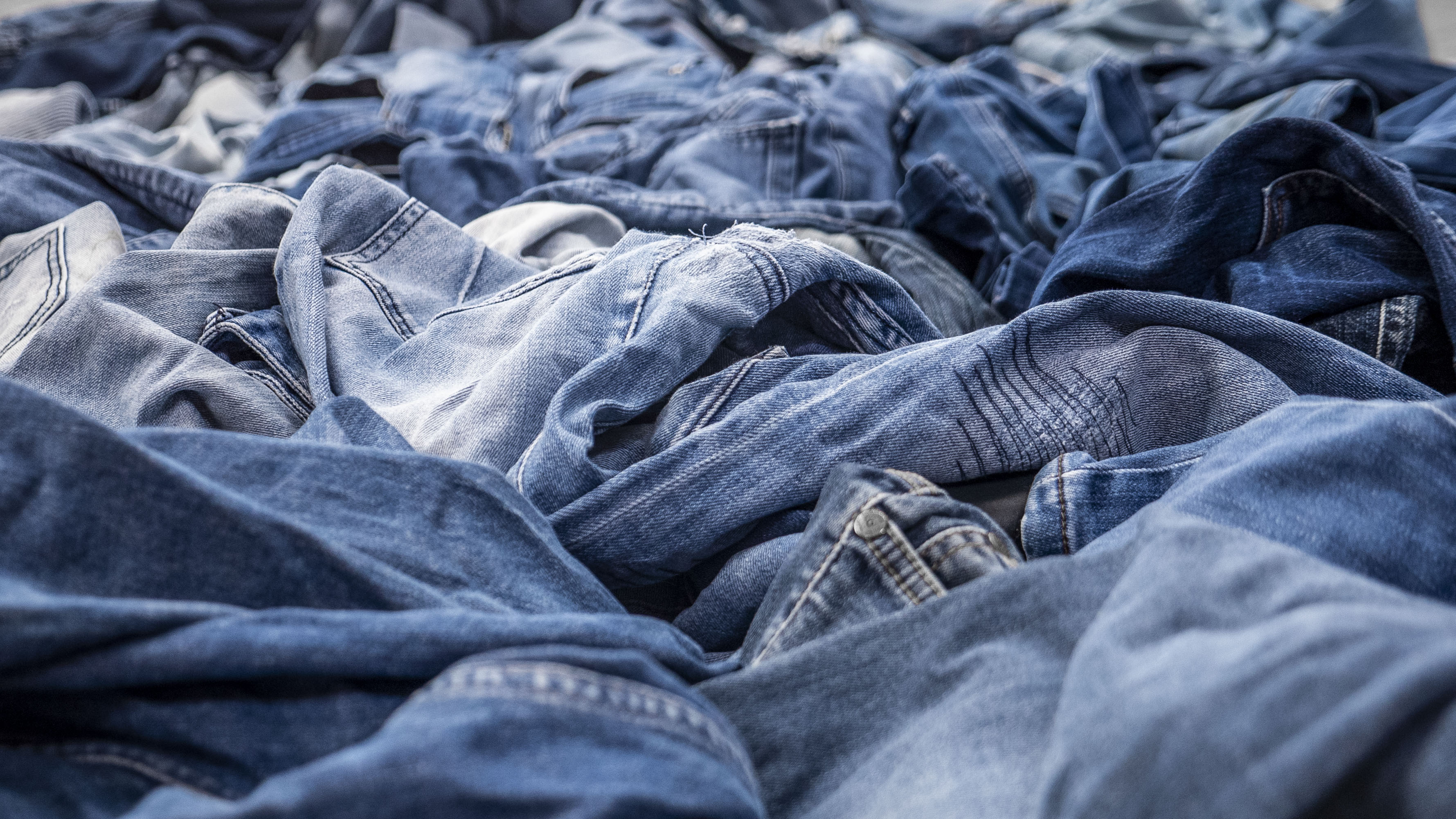
Australia is the second-largest consumer of textiles in the world per capita, and the average Australian sends 23kg of textile waste to landfill every year. That figure alone is alarming. However, when we look at the issue globally, the scale becomes even more confronting. Every year, the world produces 92 million tonnes of textile waste, and that number continues to rise.
At the same time, clothing production has accelerated dramatically. Between 2000 and 2015, global clothing production doubled. Meanwhile, the average time a garment is worn fell by 36%. As a result, we are buying more, wearing less, and discarding faster than ever before.
Consequently, enormous volumes of valuable material are being lost to landfill.
Most textiles do not belong in landfill
What makes this issue even more frustrating is that much of it is avoidable.
Around 95% of clothing sent to landfill could be reused or recycled. However, despite that potential, only a small portion of textile waste is actually processed through textile recycling systems in Australia. That gap between what could happen and what is happening reveals the real issue: not just infrastructure, but awareness.
In fact, public understanding of textile waste remains surprisingly low. Research has shown that many Australians underestimate how much textile waste we generate and how highly Australia ranks in global textile consumption. That misunderstanding matters, because people cannot change behaviours or demand better systems if they do not understand the scale of the problem in the first place.
So, before we can solve the textile waste crisis, we need to talk about it more openly, more honestly, and far more often.
The good news: textile recycling solutions already exist
Although the scale of the problem is significant, there is real reason for optimism.
The solution to textile waste in Australia is not something we still need to invent. It already exists. What we need now is greater awareness, stronger participation, and more commitment from both individuals and businesses.
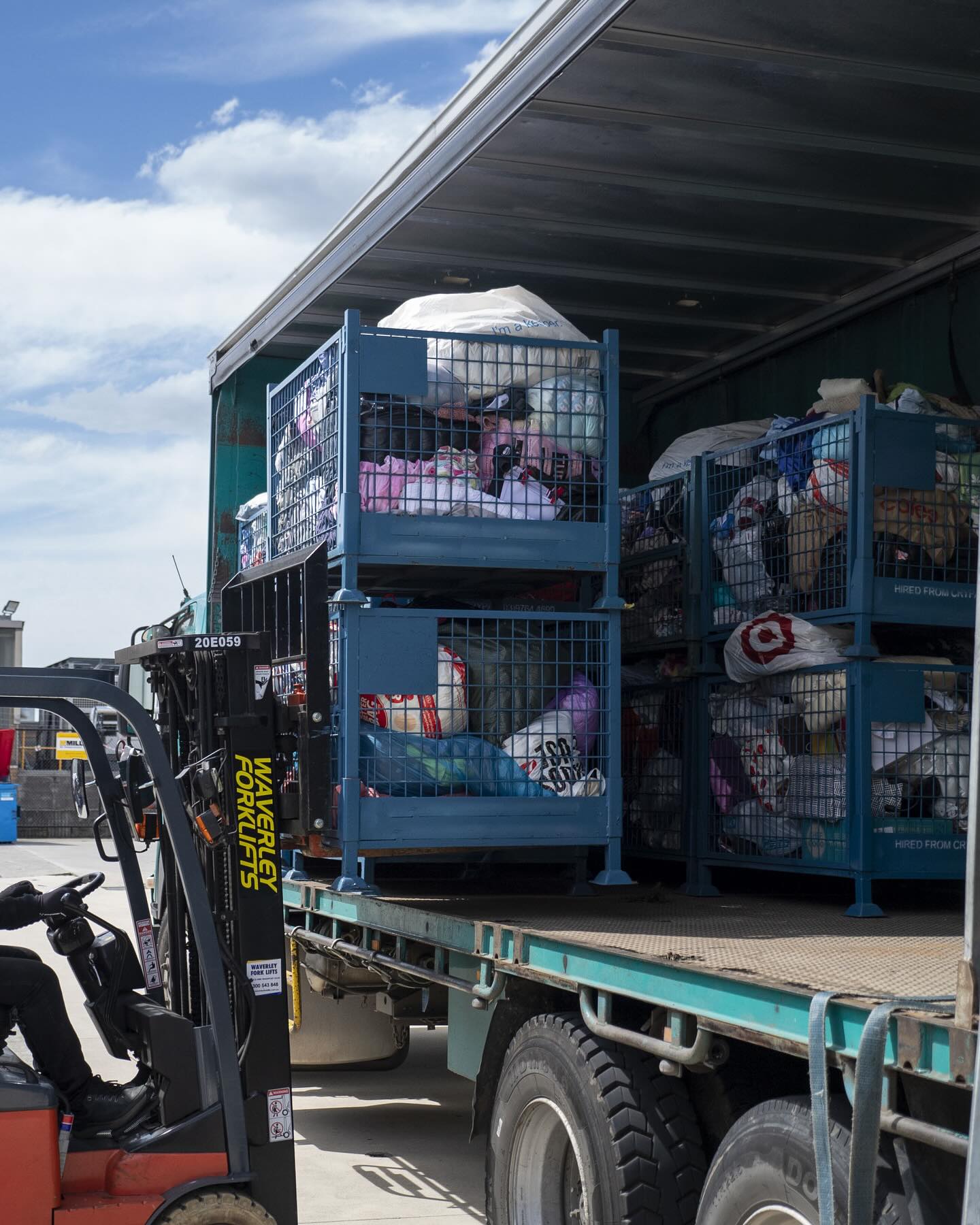
At UPPAREL, we have spent years building the infrastructure, technology, and systems needed to deliver real, scalable textile recycling in Australia. Rather than exporting the problem offshore, we process textiles entirely onshore through our Australian facility. That means greater accountability, greater transparency, and a truly local circular solution.
In other words, unwanted textiles do not have to be the end of the story.
Instead, they can be collected, sorted, processed, and transformed into new outcomes — all without greenwashing, offshore dumping, or a loss of traceability.
Why onshore textile recycling matters
Onshore textile recycling plays a critical role in creating a more responsible and transparent waste system.
For many organisations, exporting waste overseas creates a loss of visibility and control. Once materials leave Australia, it becomes much harder to verify where they end up or how they are handled. By contrast, onshore textile recycling keeps the process accountable from beginning to end.
At UPPAREL, all processing happens in Australia. That allows us to maintain full visibility across the recycling journey while ensuring the environmental impact remains measurable and traceable. It also supports local industry and helps build a stronger circular economy here at home.
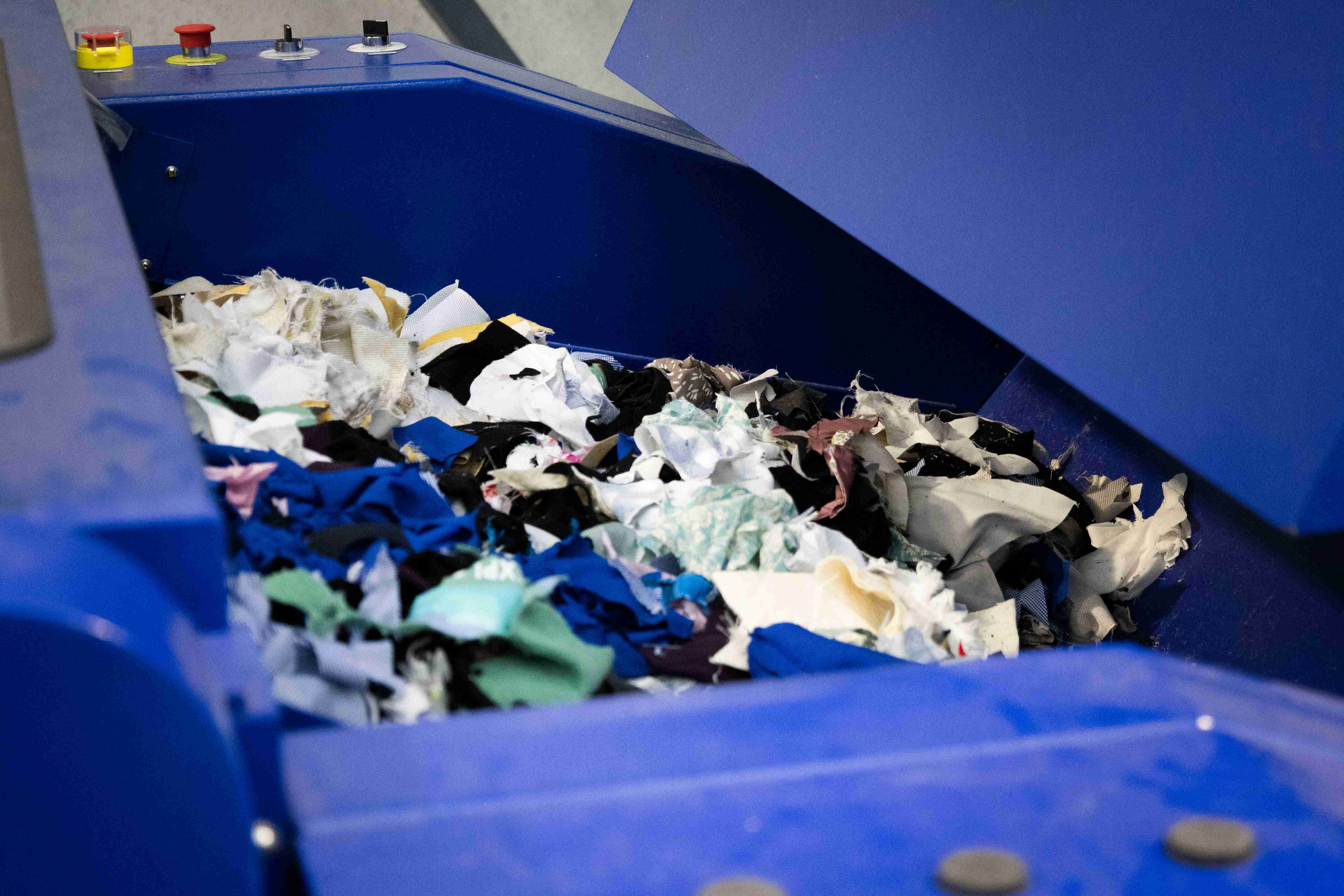
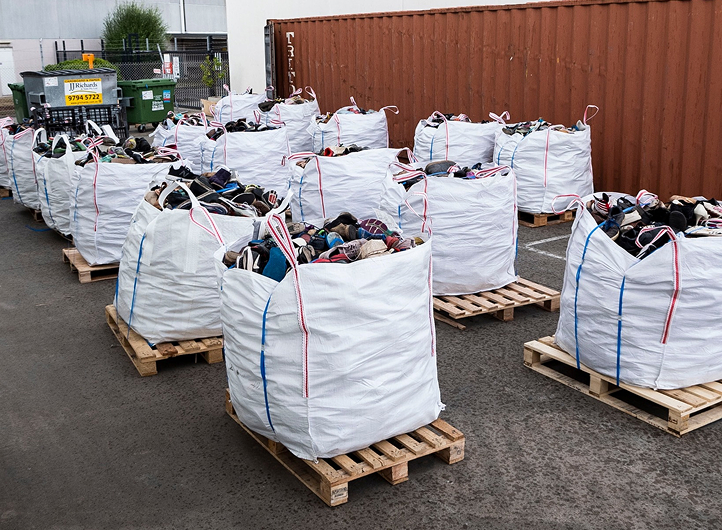
Since 2019, we have diverted more than 15 million textile items from landfill and prevented 7.7 million kilograms of greenhouse gases from entering the atmosphere. Just as importantly, we have done this without using virgin materials or water-intensive recycling methods. Instead, we turn unwanted textiles into practical new applications such as building materials, insulation, and other circular products.
Therefore, textile recycling is not just about waste reduction. It is also about resource recovery, local innovation, and creating more sustainable systems for the future.
Secure textile destruction for businesses
For businesses, textile waste often goes beyond unwanted clothing.
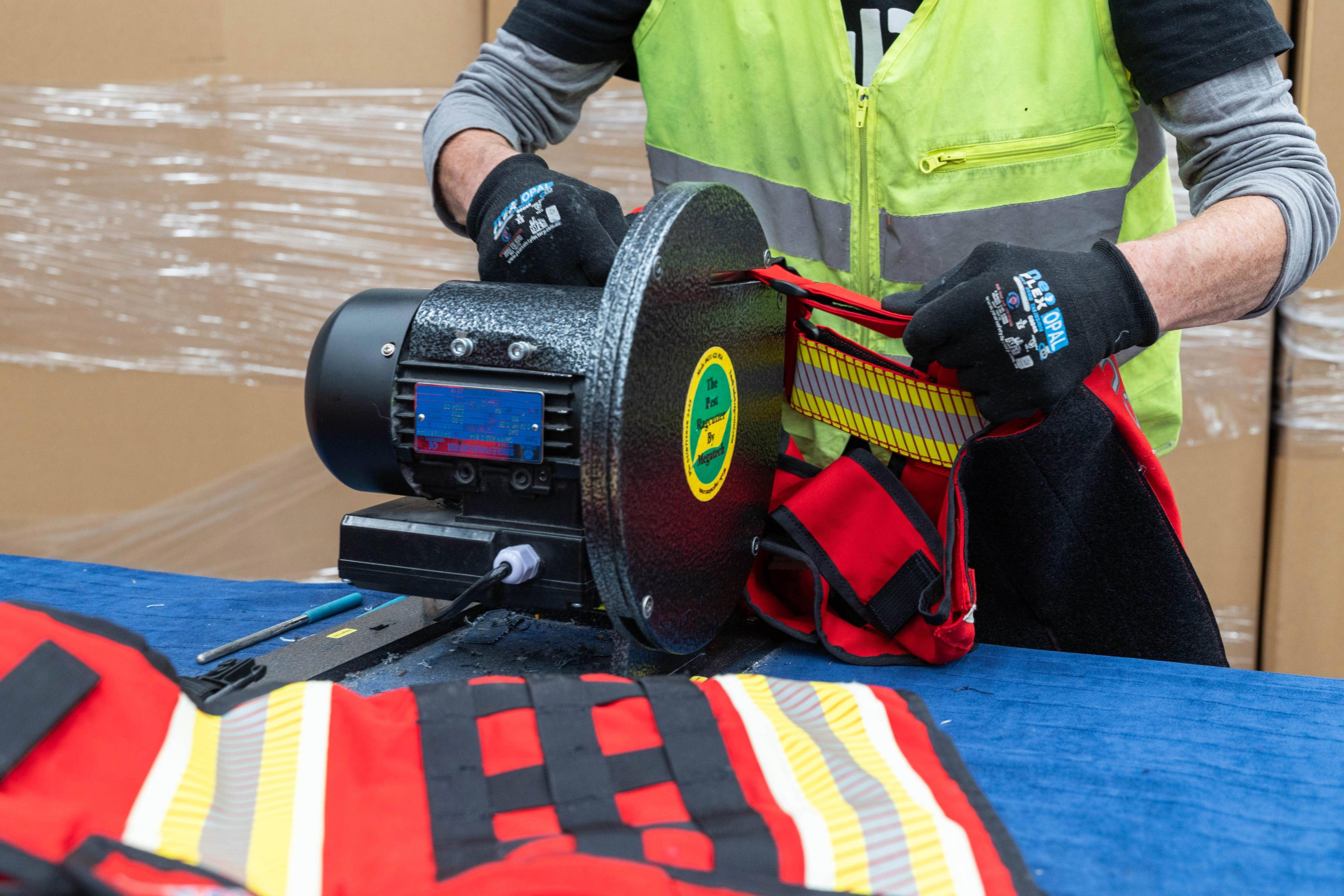
Many organisations also need a safe and responsible way to dispose of end-of-life stock, uniforms, branded apparel, and sensitive materials. In these cases, secure textile destruction is essential.
Without a proper process in place, branded goods can re-enter secondary markets, damage brand integrity, and create unnecessary environmental harm. That is why UPPAREL’s secure textile destruction service gives businesses a trusted alternative.
We securely destroy branded and sensitive textiles, divert them from landfill, process them onshore, and provide full traceability from collection through to end use. As a result, businesses can reduce risk, protect their brand, and improve their environmental performance at the same time.
Why awareness is still one of the biggest barriers
Even with the right solutions available, progress will remain limited unless more Australians understand the issue.
That is why awareness matters so much. If people still believe old clothes are “just rubbish,” they are far less likely to seek out alternatives such as reuse, repair, donation, or textile recycling. Likewise, if businesses do not understand the importance of secure textile destruction or circular recovery, they may continue to rely on outdated disposal methods that send valuable material straight to landfill.
The truth is, textile waste is not inevitable. Landfill is simply the default outcome when people do not know there is another option.
That is exactly what needs to change.
What you can do instead of sending clothes to landfill
The first step is to start with your wardrobe.
Before throwing clothing away, ask whether it can be worn again, repaired, donated, resold, or repurposed. If the answer is no, then choose textile recycling over landfill.
That one decision matters more than most people realise.
When multiplied across millions of households, even a small shift in behaviour can create significant environmental impact. If more Australians redirected their end-of-life textiles into onshore textile recycling solutions, we could dramatically reduce the volume of material being buried in landfill every year.
The future of textile recycling in Australia
Textile recycling in Australia has never been more important, and thankfully, it has never been more possible either.
We now have the opportunity to rethink what happens to clothing at the end of its life. We can continue sending textiles to landfill and treating them as waste, or we can recognise them as a recoverable resource with real value.
This is exactly why Global Recycling Day matters. It reminds us that recycling is not just about cans, paper, and plastics. It is also about the clothes in our wardrobes, the uniforms in our workplaces, and the branded textiles businesses no longer need.
Textile waste may be a growing problem, but the solution is already here. Now, the choice is ours.
Search
Latest Posts
Ready to  Recycle?
Join thousands of Australians making a difference, one textile at a time.